In the kitchen with MyTrela
How to weigh ingredients before cooking and after draining
Ingredient weights help when it is clear what we are weighing and at which stage. Dry, cooked, peeled and drained products use different reference points. Establish these before you begin, and repeating the recipe and planning your shopping will be easier.
Establish the stage first, then weigh
Read the ingredients list together with the instructions. Notes such as “dry”, “skinless”, “seeds removed” or “after draining” are part of the weight specification, not decorative extras. The amount you need to buy may be larger than the amount you will use after peeling or removing liquid.
If the wording is unclear, do not independently replace a dry product with a cooked one, or the contents of a can with the drained product. Look for clarification in the recipe or from its author. When creating your own recipe, choose the stage and state it explicitly. That way, another person will not have to guess from the dish’s appearance.
| Wording | What you put on the scales |
|---|---|
| 60 g dry groats | The groats before cooking, without added water. |
| 120 g tuna after draining | The drained fish, without the separated liquid. |
| 80 g avocado flesh | The edible portion without the skin and stone. |
| 10 g olive oil | Olive oil measured separately for addition to the dish. |
The figures in the table illustrate how to specify quantities. They do not indicate an appropriate serving for a particular person or assign nutritional values to our recipes.
Use the tare function and the correct unit
Place the scales on a stable surface, select grams and put an empty bowl on them. Use the tare function to zero the container’s weight, then add the ingredient. When weighing several products, record the reading and reset the scales before the next one. Check that the unit remains the same after moving the container.
For very small amounts, consider the resolution of your scales. A display showing whole grams does not support a claim of accuracy to a tenth of a gram. Do not add that precision to your notes. If a recipe uses teaspoons for seasoning, keep that measure as instructed instead of inventing an unverified weight.
Do not confuse grams with millilitres. Grams measure mass, while millilitres measure volume. A scales setting labelled for measuring liquids may rely on assumptions made by the device manufacturer. For an ingredient specified in grams, weigh in grams. For volume, choose an appropriate measuring utensil and the unit given in the recipe.
Do not use a single “dry-to-cooked” conversion
A product’s weight changes during cooking and draining. “60 g dry groats” is not equivalent to “60 g cooked groats”. There is no single factor that can convert every type of groats, pasta, meat or vegetable for every preparation method without checking.
If you are making a larger batch for several servings, you can weigh your own result and divide it proportionally. A hypothetical example: you cook 180 g of dry groats following specific instructions and end up with 450 g of product. If you plan three equal servings from that batch, you can divide it into three portions of 150 g.
These numbers are invented for a calculation exercise. They do not provide a conversion for the next batch or a different type of groats. Record the starting weight, the actual weight of the finished batch and the number of portions. Do not derive new nutritional values solely from a gain or loss in weight.
Distinguish net quantity from drained quantity
Packages of products in liquid may show both net quantity and drained weight. The rules for declaring them are described in Annex IX to Regulation 1169/2011. When making a shopping list, read the label so that you do not mistake the entire contents, including the liquid, for the required weight of the solid portion.
For a recipe specifying “after draining”, separate the liquid as instructed and then weigh the solid portion in a tared container. Draining, rinsing and drying are separate actions. Do not add rinsing just because a product needs to be drained. If you are creating a new recipe, describe the required actions explicitly and follow them each time you prepare it.
Do not assume every nutrition table on a can refers to the solid portion, either. The official labelling questions and answers distinguish between a product including its liquid and a drained product. Check the manufacturer’s note before using the figures. Drained weight alone does not establish the basis of the table.
Measure olive oil as a separate ingredient
A recipe needs to specify what happens to the oil in a package. If the instructions say to drain and discard the liquid, do not later add it without recording that change. Measuring olive oil separately makes it possible to state clearly the amount you deliberately add to a salad or pan.
Put a small container on the scales, zero them and weigh out the olive oil. After pouring it into the dish, you can check whether a significant amount remains in the container. Do not rely on “a little” when consistency matters. Your spoons may have different capacities, so follow a recipe given in grams using grams.
When frying, record the amount added, but do not automatically equate it with the amount eaten. Some may remain in the pan or container. This guide does not present a laboratory method for measuring absorbed fat. An organised record provides clear cooking instructions without promising a precise analysis of the finished dish.
Remove peel, stones and bones before weighing
For a quantity referring to the edible portion, first carry out the specified preparation: peel the product, remove the stone or separate the bones. Only then weigh the amount required by the recipe. Buying a product sold “by the piece” gives you the ingredient, but does not guarantee an identical amount of flesh every time.
A hypothetical avocado weighing 210 g may yield a different amount of edible flesh from another avocado of the same weight. Do not subtract a fixed percentage for skin and stone. Weigh the flesh you have actually prepared. Likewise, do not use one conversion for fruit, vegetables and every cut of meat.
On your shopping list, keep two separate columns: the product to buy and the amount prepared for use. Your own earlier measurements may help estimate a purchase, but they are not a guarantee for the next package. If you have too little of an ingredient, reduce the entire recipe according to the number of servings or choose another dish, instead of making up the shortfall with an unspecified addition.
Keep a short record of one batch
A simple note is enough for repeating preparation: product name, weighing stage, measured weight and preparation method. For a can, add “liquid discarded” or the precisely recorded quantity of liquid used. For groats, record whether the weight was dry; for olive oil, record the quantity measured separately.
- Read all notes and instructions before opening the package.
- Prepare the product to the stage specified in the recipe.
- Tare the container and check the unit of measurement.
- Weigh the ingredient and record liquid additions separately.
- If dividing a batch, record its actual weight and the number of portions.
This approach reduces guesswork and helps you see where differences between two attempts come from. It does not require creating your own conversion tables. The most useful weight specification identifies an unambiguous stage that can be repeated the next time you cook.
Recipes on MyTrela
Number of recipes: 4
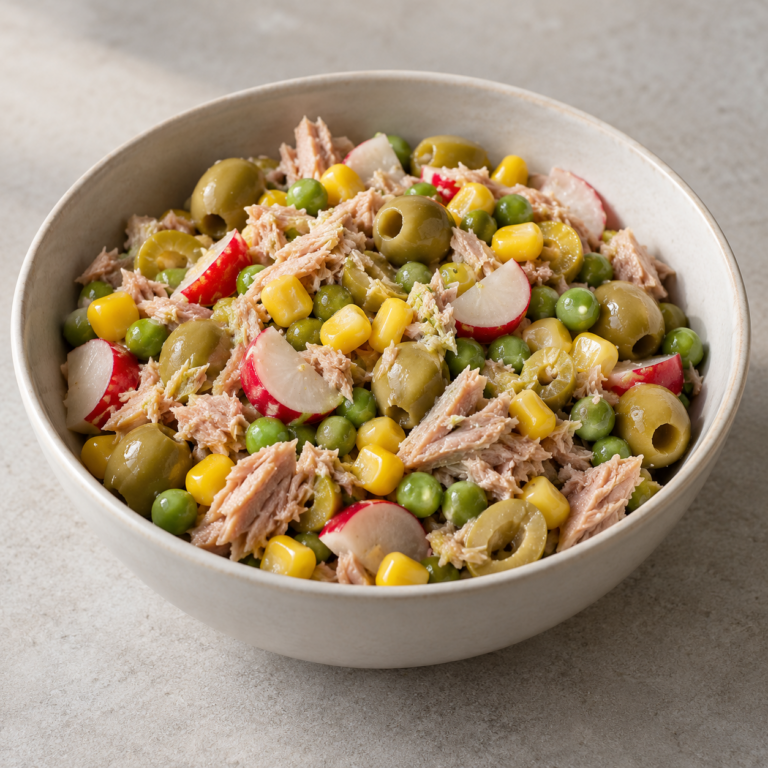
Tuna with peas, sweetcorn and radish
Drained tuna, sweetcorn, peas and stoned olives make a salad with radish. After mixing, add separately weighed linseed oil.
View recipe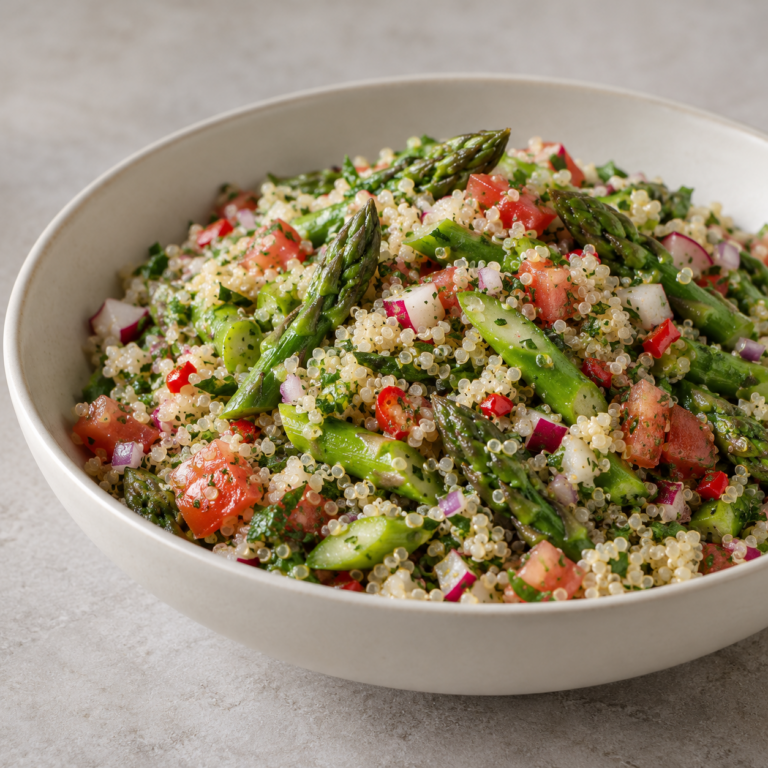
Quinoa with asparagus, radish and herb dressing
Quinoa weighed dry combines after cooking and cooling with asparagus, radish and tomato. A dressing of measured olive oil, lemon and fresh herbs coats everything.
View recipe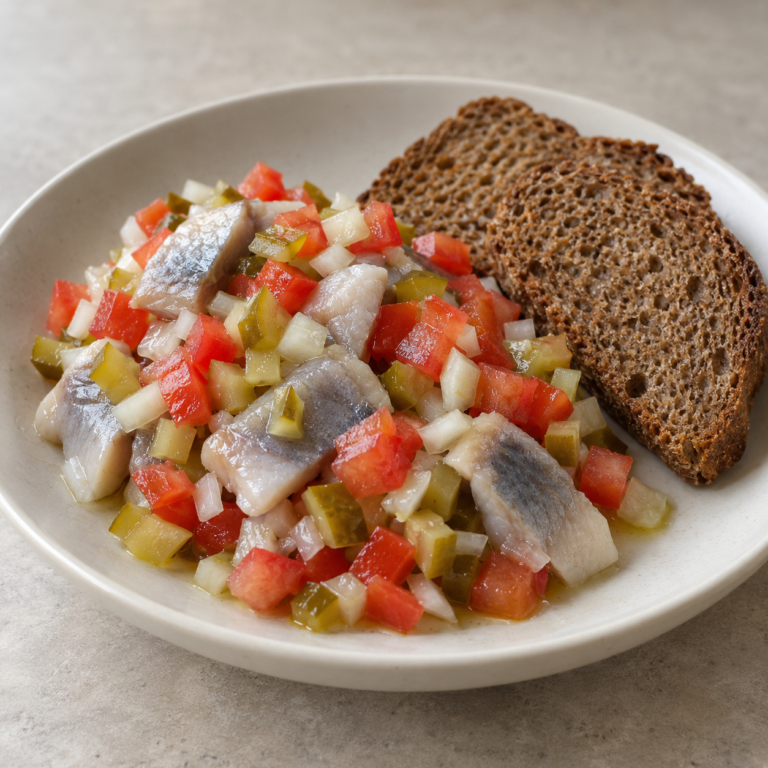
Marinated herring with vegetables and rye bread
Rinsed and dried marinated herring combines with tomato, drained fermented cucumber and onion. Separately weighed olive oil finishes the dish served with wholemeal rye bread.
View recipe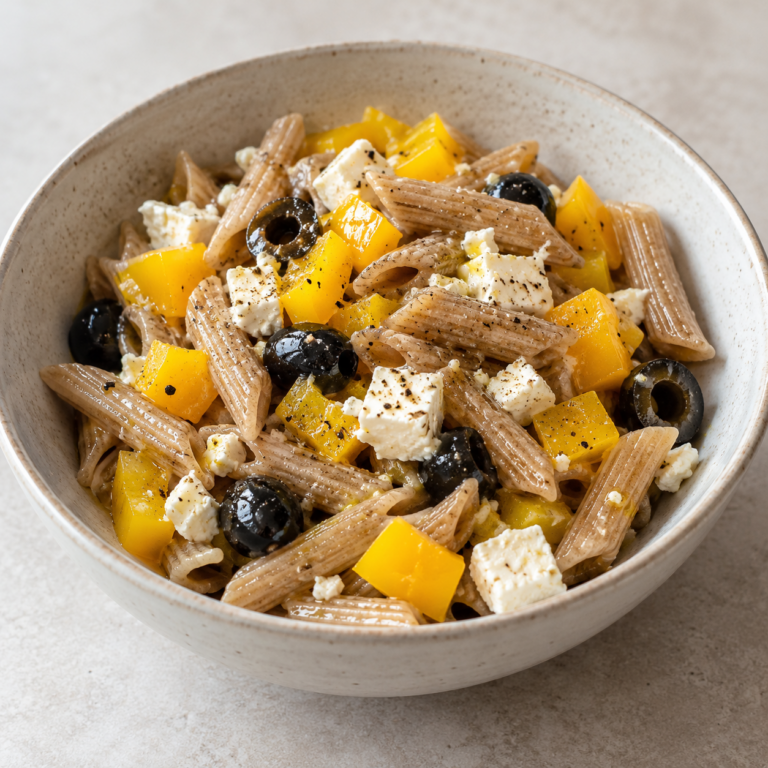
Rye pasta with yellow pepper, feta and olives
Serve rye pasta with raw yellow pepper, feta and drained black olives without stones. Drizzle everything with separately weighed olive oil.
View recipeImages generated for MyTrela show serving suggestions. The recipes have not been kitchen tested; nutritional values and total preparation times have not been verified.
Sources and further reading
Prepared by MyTrela with AI assistance. The source links identify materials used in preparing this content.


