In the kitchen with MyTrela
Groats and quinoa: preparation, cooking and portioning
Good groats begin with identifying the product and weighing the right quantity. This guide organises grain preparation, texture checks and dividing a cooked batch without guessing its yield.
The same groats can accompany vegetables, form the basis of breakfast or go into a salad. Each use calls for a slightly different texture. Before putting a saucepan on the hob, check the product name, the recipe’s weighing basis and the manufacturer’s instructions. This prevents a measured portion of cooked grains from replacing the same weight of dry product. The rules below help organise the work; the specific ingredient quantities and finishing method remain in your chosen recipe.
First choose the exact product
Millet groats, toasted buckwheat groats and untoasted buckwheat groats are not one ingredient with several names. Their flavour, appearance and behaviour during preparation differ. There are also fine and coarse products, boil-in-the-bag products and products sold loose. “Toasted buckwheat groats” in a recipe is therefore shopping guidance, not a decorative detail. Using a different product creates a variation whose result needs to be assessed separately.
Check quinoa on the package too: it may be white, red or mixed. Do not set the cooking time from the colour alone. Open the recipe before shopping and compare the list with the label. When planning several dishes for the week, mark those that actually use the same product. This allows you to cook a shared base without combining ingredients that require different methods.
Weigh and prepare the grains before cooking
Place a dry saucepan or bowl on the scales, zero them and measure the grains. If the recipe specifies a weight before rinsing, this is when you weigh them. Wet groats retain water on their surface, so weighing later is not equivalent. Then check whether the package or recipe calls for rinsing. Choose a fine sieve for small grains so they do not escape into the sink. After rinsing, let them drain before transferring them to the saucepan.
Do not treat every task as mandatory for all products. Toasting, soaking and pouring boiling water over grains belong to particular methods. Adding them on your own changes the preparation process. Bob’s Red Mill publishes separate instructions for its quinoa; this is a useful example of why package information applies to a specific product. Prepare the dry portion, sieve, water and lid before turning on the hob, so you are not searching for equipment over a boiling saucepan.
Match water and time to the instructions
Read the whole method first. Some products cook in a measured quantity of water until it is absorbed; others cook in more liquid, which is drained afterwards. Do not mix these approaches halfway through. If the instructions require a lid, find one that fits before starting. After bringing the water to the boil, adjust the heat to maintain the cooking method specified by the manufacturer without throwing liquid onto the hob.
There is no single water ratio or cooking time suitable for every type of groats and quinoa. Batch size, product and method matter. An individual recipe may also specify its own explicit quantity of liquid: that quantity then applies to that recipe. Near the end of the recommended cooking time, check the texture of a small sample, cooling it carefully. If the grains remain hard, follow the package guidance. Do not try to speed cooking simply by turning up the heat when the bottom of the saucepan is already short of water.
Check texture before adding the rest
For a salad, you need grains that can be distributed among the other ingredients without being mashed. In a warm millet porridge, a softer texture may be intentional. Check the recipe’s aim before deciding the groats are undercooked or overcooked. After cooking, allow the resting stage if the instructions specify it. Only then gently separate the grains with a fork or transfer them as directed.
For your next attempt, note the product, dry quantity, vessel and anything that needed adjustment. A short note like this is more useful than remembering “I always cook it for a quarter of an hour”. If the bottom burns, do not scrape the burnt layer into the rest. If the cooked grains will be added to vegetables, prepare them so they do not need lengthy further cooking after combining, which would soften the other ingredients too much.
Divide a batch without a universal conversion
The weight after cooking depends on how much water is retained. Do not automatically convert 50 g of dry groats into a predetermined weight of cooked product. If making several identical servings, add up the dry quantities, cook the whole amount by the correct method and then weigh the yield. Subtract the container’s weight. Equal portions of the cooked batch correspond to equal portions of the measured base, provided you use the same product and the entire batch.
| Organisation example | How to divide it |
|---|---|
| Two dishes with 60 g of dry groats each | Cook 120 g together; divide the cooked batch into two equal portions. |
| Three identical servings of one recipe | Multiply the ingredients by three and divide the entire prepared dish into three portions. |
| Two different types of groats | Cook and label separately; do not combine their weights in one conversion. |
These are examples of division, not recommendations for meal size. If a recipe specifies weight after cooking, weigh that product and do not substitute its dry weight.
See how different dishes use the same base
In millet with stewed apple, the groats are weighed dry and cooked according to the package, while the fruit is prepared separately. In the version with green beans and radishes, the beans are cooked; a crunchy addition does not mean omitting their cooking. Buckwheat with sweet potato, pepper and leek is added to the prepared vegetables only after cooking.
In buckwheat with grated broccoli, contrasting textures matter. Quinoa with feta is combined with dressing, while lemon quinoa with courgette has its own water quantity and courgette weighed after squeezing. Do not transfer these details between recipes: read the full list and every step for your chosen dish.
Plan to serve or cool promptly
Combine cooked groats intended for immediate eating with their accompaniments according to the recipe. Divide a batch for later into smaller containers so that it loses heat more efficiently. Do not leave the whole saucepan on the worktop until the next day. The Food Standards Agency recommends cooling cooked food and putting it in the fridge within one to two hours. Label the container with the product name and preparation date; similar-looking bases are easily confused when shopping for several meals.
Before starting another batch, check what is already prepared and how it was stored. Do not judge safety solely by smell. Plan larger batches and the order in which ingredients will be used alongside the meal plan, rather than cooking extra groats without a specific use.
Recipes on MyTrela
Number of recipes: 6
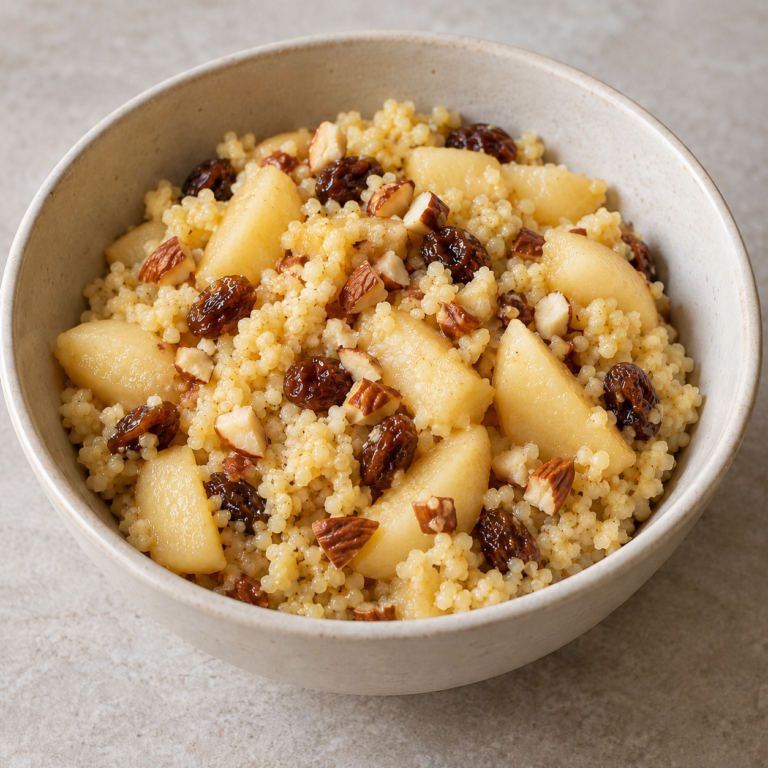
Millet with stewed apple and maple syrup
Peeled apple slices are stewed in the stated water amount. Raisins, chopped almonds and lemon juice join the apple, with cooked millet and maple syrup added last.
View recipe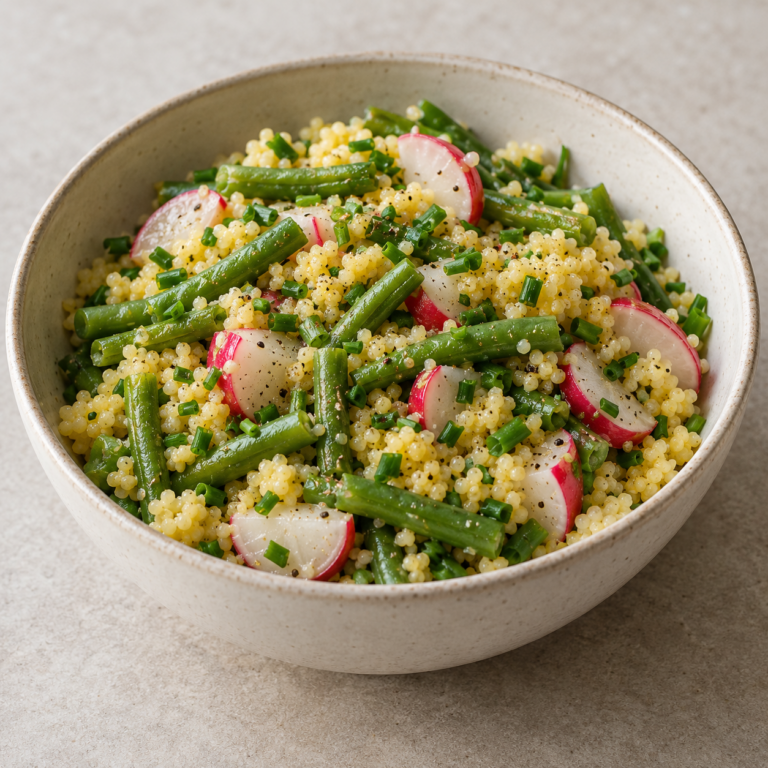
Millet with green beans, radish and chives
Cooked millet and beans combine with chopped radish, ghee and seasonings. Chopped chives finish the dish.
View recipe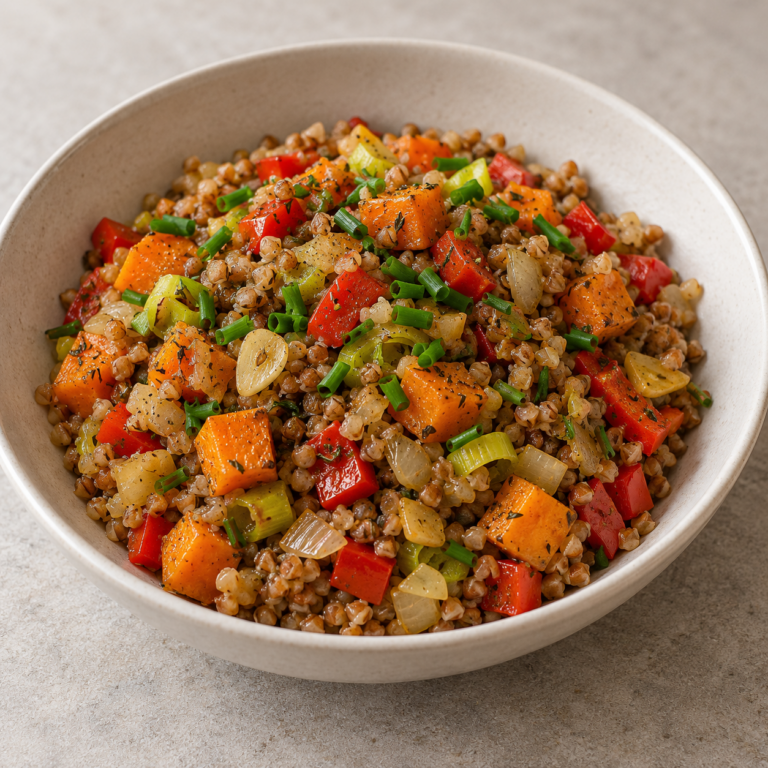
Buckwheat with sweet potato, pepper and leek
Unroasted buckwheat is cooked separately. Sweet potato and vegetables go through successive frying stages in rapeseed oil before the groats join.
View recipe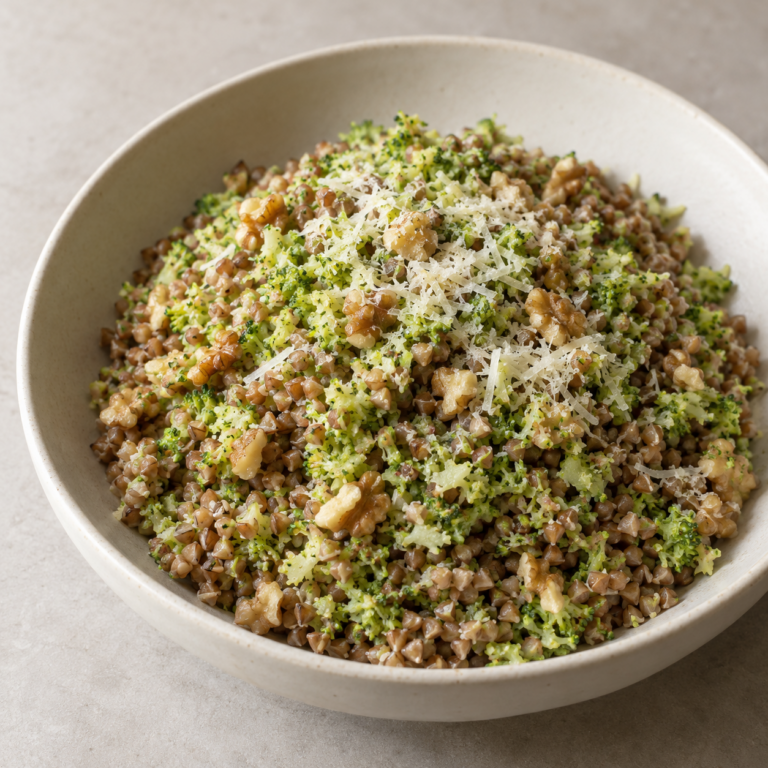
Buckwheat with grated broccoli, walnuts and parmesan
Raw grated broccoli with lemon and walnuts is served with cooked buckwheat.
View recipe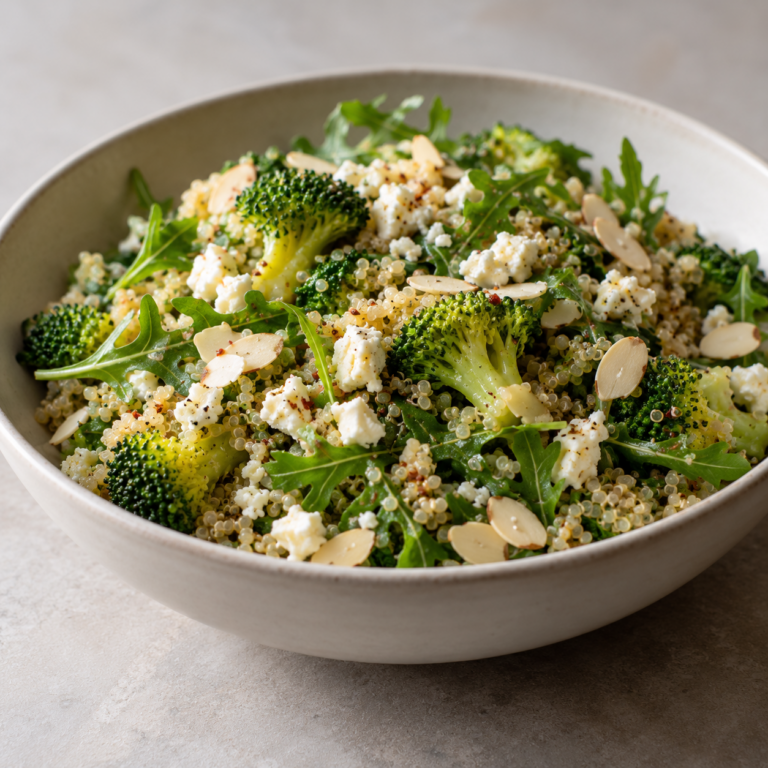
Quinoa with broccoli, feta and mustard dressing
Feta, flaked almonds and rocket complete quinoa with broccoli in a lemon mustard dressing.
View recipe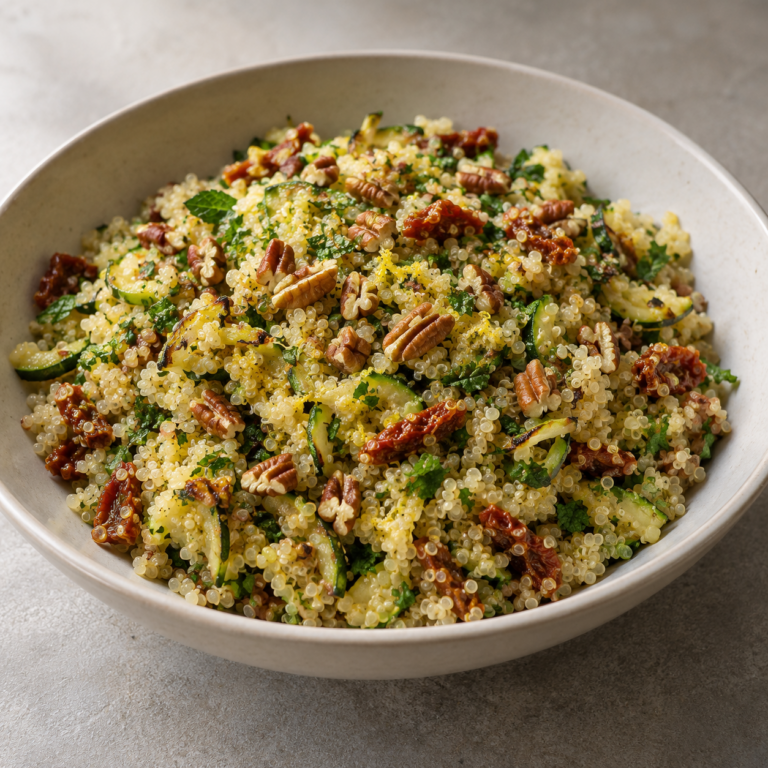
Lemon quinoa with courgette and pecans
Quinoa weighed dry combines with squeezed courgette, drained sun-dried tomatoes and weighed lemon juice and zest. Pecans and herbs are added at the end.
View recipeImages generated for MyTrela show serving suggestions. The recipes have not been kitchen tested; nutritional values and total preparation times have not been verified.
Sources and further reading
Prepared by MyTrela with AI assistance. The source links identify materials used in preparing this content.


