In the kitchen with MyTrela
Courgette in the kitchen: raw, pan-cooked and in soup
Courgette changes character according to the thickness of the cuts and the cooking method. Learn practical preparation for salads, the frying pan and blended soup, including weighing and food safety.
A thin courgette ribbon behaves differently from a thick slice, and grated flesh behaves differently from cubes added to a saucepan. Start planning the dish with the final texture: should it be crisp, browned or completely smooth? Then choose the knife, grater and vessel. This guide offers tips for different uses, but check ingredient quantities and the order of tasks in the full recipe. Courgette with an unusually bitter taste needs particular attention: it is not a problem to fix with seasoning.
Choose the vegetable and prepare a clean workspace
Examine the courgette’s surface and the area around the stalk. Choose specimens without signs of rot, wet sunken areas or extensive damage. Size alone does not determine safety or a specific use. After cutting, also assess the inside: seed hardness and the texture of the flesh. When following a recipe, first establish whether you need it with the skin, peeled, deseeded or already squeezed.
Wash the courgette under running water and dry it before cutting. The FDA recommends washing fresh vegetables before preparation, even when the skin will be removed. Do not use washing-up liquid or soap for this. Prepare a clean board and knife, keeping vegetables eaten raw separate from raw meat and the utensils used for it. Rinsing the product alone does not replace hygiene throughout the workspace.
Unusual bitterness means stopping preparation
Courgette belongs to the cucurbit family. Bitter compounds called cucurbitacins can occur in this plant group. The French food safety agency ANSES warns that cooking does not destroy them. If, while checking the product, you notice a distinct, unusual bitterness, spit out the sampled piece and discard the vegetable. Do not try another portion to confirm that the taste is unpleasant.
Do not mask bitterness with salt, sugar, lemon or sauce. Do not treat peeling, trimming the ends or longer frying as ways to make such a courgette safe to eat. Do not add it to soup with other vegetables hoping to dilute the flavour. ANSES also stresses that appearance does not always reveal the problem in cucurbits. Keep this rule separate from ordinary cooking choices: choosing piece sizes or removing hard seeds concerns texture, not removing the hazard from a bitter product.
Match cutting and the weighing stage
For a salad, prepare thin slices, small half-moons or short ribbons. For a frying pan, pieces of similar thickness make it easier to judge when the whole batch is ready. For blended soup, choose small cubes: they do not need to look perfect, but similar sizes help them soften evenly. Set aside trimmed ends before weighing the portion intended for the dish.
When grating, read the weight basis especially carefully. “150 g of courgette after grating and squeezing” does not mean 150 g of the whole vegetable bought in the shop. Prepare a larger piece, grate it, squeeze it as directed and only then measure the required weight. Do not apply one loss percentage to every courgette: the water removed depends on the product and how it is squeezed. If a recipe uses unsqueezed courgette, do not add this stage automatically. It changes the moisture content of the whole dish.
For raw courgette, consider thin pieces and accompaniments
Raw courgette can be part of a salad if it is suitable for eating, washed and prepared in a clean workspace. Thick pieces offer firmer resistance when bitten; thin ones are easier to coat with dressing. For long ribbons, consider eating convenience straight away. Shorter strips are easier to pick up with a fork and mix without crushing delicate additions.
In courgette with sesame, almonds and basil, the vegetable is mixed with additions without cooking. This is a separate method, not a shortcut for the fried version. Measure the olive oil and vinegar according to the list, and combine everything in a vessel with room to mix. If making the salad ahead, plan chilling and when to add the dressing. Lemon juice and vinegar do not replace washing, proper storage and checking the product before use.
Leave space between pieces in the pan
Dry the surface of the cut courgette and heat the vessel according to the chosen method. Arrange the vegetable in a single layer. If pieces pile on top of one another, divide them into batches: turning them and observing their surfaces will be easier. Listen and watch instead of relying solely on the clock. The amount of vegetables, pan size and slice thickness affect the pace of cooking.
For several batches, divide the fat weighed for the entire recipe between them. Do not add a fresh amount for every batch without accounting for it in the ingredients. In griddled courgette, mushrooms and peppers, all vegetables are first coated with a shared mixture, then placed on the pan in batches. Finished pieces retain their structure and are not charred. Do not increase the heat simply because a full pan gives off a lot of steam. First assess the batch size and reduce it for the next round.
In blended soup, check liquid before blending
Prepare courgette for soup according to the list: some recipes require removing seeds, while others use them with the flesh. Do not transfer that decision from another recipe. In courgette soup with coconut and lemon, the prepared vegetable is briefly fried, cooked with stock and blended; coconut milk and lemon additions follow according to the subsequent steps.
First bring the pieces to the softness required by the recipe. Blend in a sufficiently deep vessel to limit splashes. With a hand blender, immerse the head before switching on and switch it off before lifting it out. Use a jug blender for hot liquids only according to its instructions. Do not immediately pour a large amount of extra water into the finished soup: first assess the texture and check that all liquid ingredients specified by the recipe have been used.
Grating, squeezing and combining with a base have different purposes
In pumpkin and courgette pancakes, grated courgette is combined with the other ingredients and egg, then fried. Prepare the mixture for complete cooking; do not taste raw batter containing flour and egg. Choose a pancake size that is easy to turn, while keeping the recipe quantities. This is different from browning individual slices.
In lemon quinoa with courgette and pecans, the weighed courgette is already grated and squeezed. The quinoa cooks separately and everything is combined later. These examples show why “a courgette dish” alone does not establish the preparation method. Choose a specific dish, check every task and then plan the cutting and weighing. Put the remaining prepared product into appropriate storage instead of leaving it beside the warm hob.
Recipes on MyTrela
Number of recipes: 5
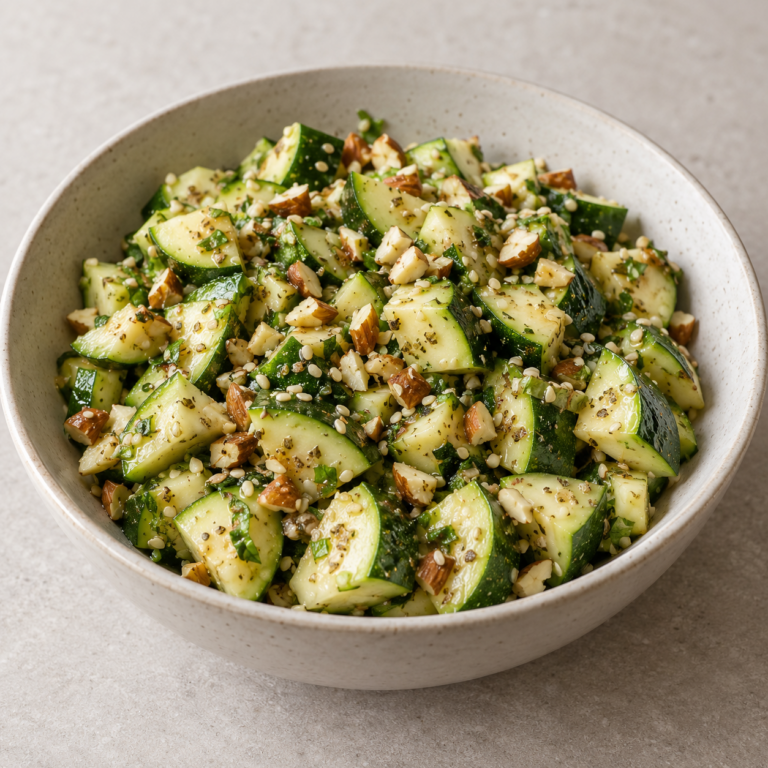
Courgette with sesame seeds, almonds and basil
A salad without cooking: small courgette pieces are combined with olive oil, apple cider vinegar, dried coriander and sesame seeds. Almonds and fresh basil complete the dish.
View recipe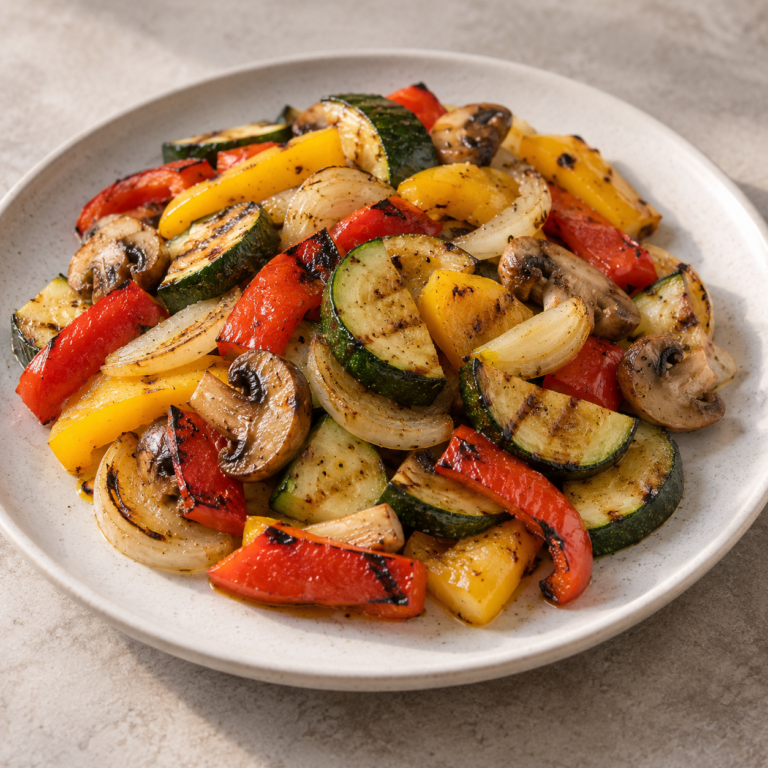
Grilled courgette, mushrooms and peppers
Prepared courgette slices and pieces of peppers, onion and mushrooms are grilled in a pan until tender, using all the weighed olive oil.
View recipe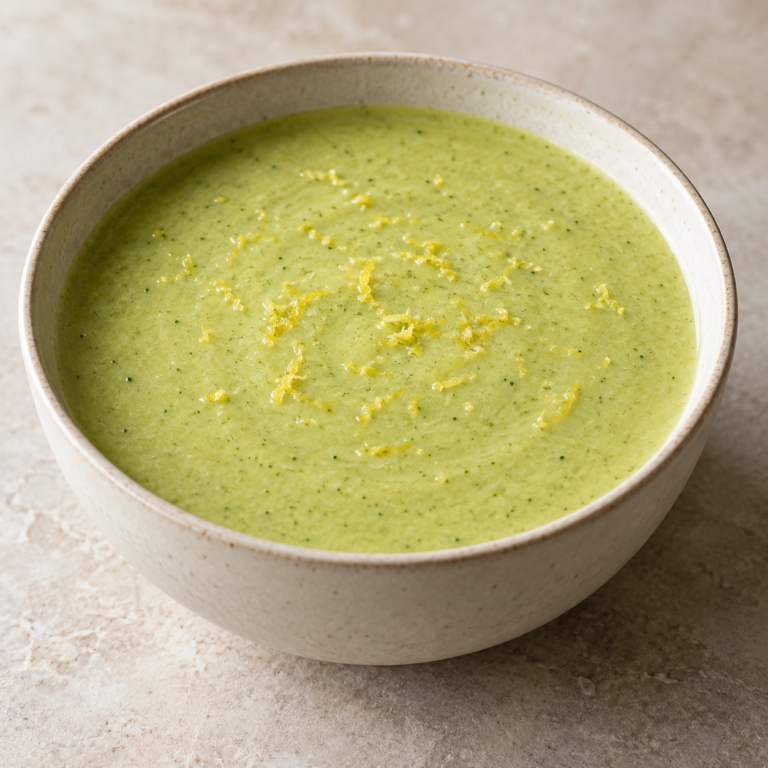
Creamy courgette soup with coconut and lemon
Courgette fried in coconut oil is cooked in stock and blended. Light coconut milk 6%, lemon juice and zest give the soup its finishing character.
View recipe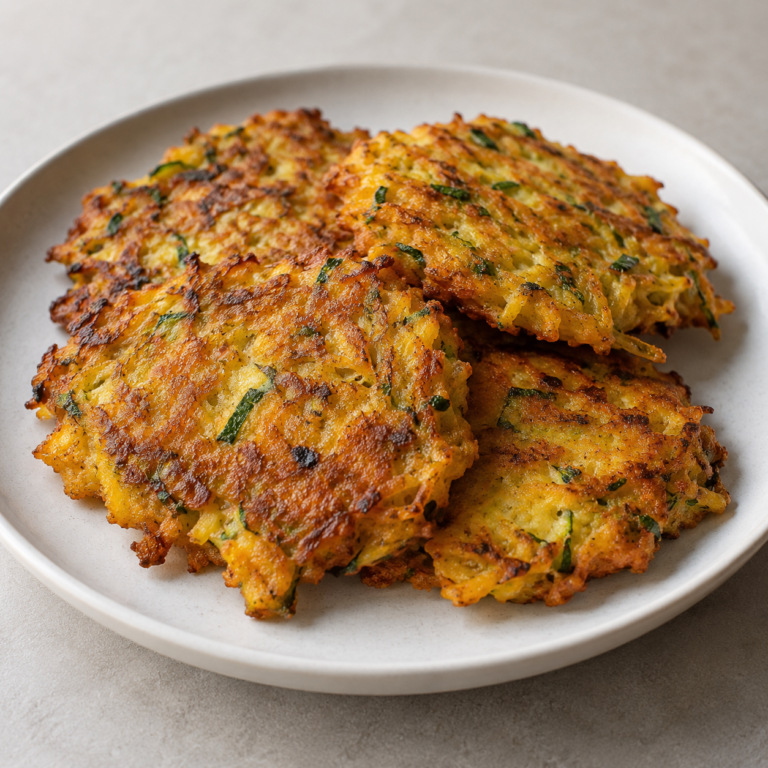
Pumpkin courgette fritters with coconut flour and chives
Grated vegetables are combined with coconut flour, egg and seasonings. Salt is added after frying, while chives are part of the mixture.
View recipe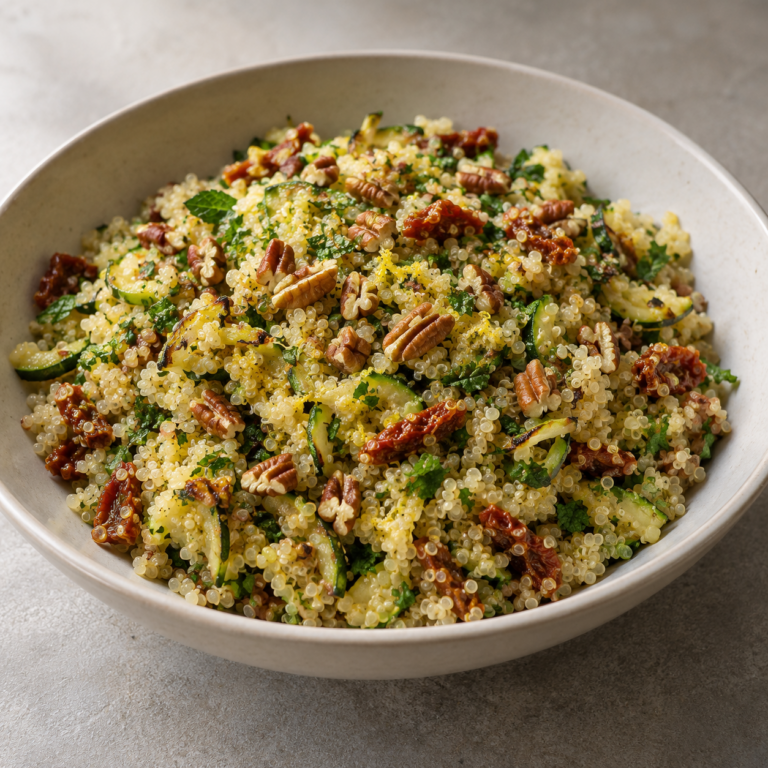
Lemon quinoa with courgette and pecans
Quinoa weighed dry combines with squeezed courgette, drained sun-dried tomatoes and weighed lemon juice and zest. Pecans and herbs are added at the end.
View recipeImages generated for MyTrela show serving suggestions. The recipes have not been kitchen tested; nutritional values and total preparation times have not been verified.
Sources and further reading
Prepared by MyTrela with AI assistance. The source links identify materials used in preparing this content.


