In the kitchen with MyTrela
Ingredient substitutions: flours, sugar and sweeteners
Missing an ingredient does not always mean you have to stop cooking, but similar product names do not guarantee similar results. Before making a substitution, check whether the ingredient provides flavour, moisture, structure or several of these at once.
First decide what you want to change
A substitution because your cupboard is empty is a different decision from a change prompted by an allergy, personal preference or a desire for a different texture. Write down the reason in one sentence. Then read the whole recipe, not just the ingredients list. Instructions to whisk, thicken, coat or shape dough indicate the job you expect the ingredient to do.
If flour forms the basis of pancakes, replacing it may change the entire mixture. If it is only a small addition to a coating, you will ask different questions. Similarly, sugar stirred into a drink and sugar creamed with fat do not serve identical purposes. Do not use a single substitution chart without considering the preparation method.
For everyday cooking, start with one change. If you replace the flour, sweetener, liquid and eggs all at once, it will be difficult to identify the cause of an unsuccessful trial. Keep the original recipe as a reference and record your version separately. That way, your next purchase or attempt will not depend on reconstructing decisions from memory.
Coconut flour and almond flour are not interchangeable 1:1
Flours made from different ingredients behave differently. Manufacturer King Arthur explains that coconut flour absorbs a great deal of liquid, while almond flour produces a more tender texture and a distinctive flavour. Neither should be treated as a straightforward replacement for the same quantity of wheat flour. Details are given in the manufacturer’s guide to these flours.
Choose a recipe developed for the flour you have. If you want a coconut version of an almond-flour dish, look for a separate recipe specifying the liquid and other ingredient quantities. An online conversion will not account for the entire structure of a batter or dough, or for differences between particular products.
| Check | Why it helps |
|---|---|
| Raw ingredient and full name | “Flour” does not mean one product with fixed properties. |
| Blend ingredients | A ready-made blend may contain additions that are absent from a single flour. |
| Manufacturer’s guidance | The instructions refer to that manufacturer’s particular product and its use. |
| A recipe for the chosen flour | It also specifies the necessary amount of liquid and the preparation method. |
Sugar does more than add sweetness
In baking, sugar also affects moisture, texture, how cookies spread and how they brown. A King Arthur article on cookie properties explains these relationships. Changing the quantity or replacing sugar with another product can therefore change the result even when it tastes equally sweet.
This does not mean every substitution will fail. It means you need to consider sugar’s role in the particular recipe. To begin with, it is easier to organise your own trials with a simple mixed dessert than with a bake that depends on a specific volume, crispness or the way the mixture behaves in the oven.
After preparation, note not only the sweetness but also whether the dessert is dry, crumbly, soft, dense or difficult to divide. Assess the finished product at the same point as the previous version. Comparing a warm dessert with a cold one does not clearly reveal the effect of the substitution alone.
Check the sweetener’s form and the full blend ingredients
Products sold as sweeteners come in different forms: liquid, powder, granules or tablets. Blends may contain several ingredients. Do not determine the amount solely from the name of the main substance. Read the directions on the package, including suitability for baking if that is what you are planning.
Equivalent sweetness does not establish equivalent weight, volume or behaviour in a batter or dough. A small amount of a concentrated product will not automatically fill the space left by a larger amount of sugar. Choose a recipe that names a particular type of sweetener, or treat the change as your own unverified trial.
Honey or syrup also adds liquid. The manufacturer describes the differences in an article on baking with liquid sweeteners. Do not add them to a mixture without considering the whole recipe. This guide does not compare the health effects of sweeteners or promise any particular effect on the body.
Make a small trial and record one change
Here is a hypothetical situation: a recipe requires almond flour, but you have coconut flour in the cupboard. Instead of converting the weight in your head, set that recipe aside and find one designed for coconut flour. Then check the other products and equipment. This is a decision about choosing a recipe, not a promise that both versions will produce the same meal.
If you are deliberately experimenting, make a smaller batch where the particular recipe can be scaled. Divide all ingredients according to the same number of servings. Do not reduce only the flour or sweetener while leaving everything else unchanged. Amounts too small to measure with your scales indicate that the proposed trial may be impractical.
- Record the recipe name and version.
- Identify the single ingredient being replaced and the new product.
- Note the quantities actually measured, the equipment and the preparation method.
- Describe the result before making another change.
A note saying “it turned out differently” is not very helpful. “The mixture did not hold its shape when transferred” is more useful. Describe what you see without assigning a cause that has not yet been checked.
When choosing a different dish is better
Replacing a main ingredient often calls for a new recipe. If you have none of the flours listed and are planning several further substitutions, choosing another meal may save ingredients and time. Look in the catalogue for a dish using what you actually have, instead of rebuilding an entire batter or dough on your first attempt.
For allergies, check the new product’s full labelling and the necessary preparation conditions. Replacing a single item does not establish the safety of the finished dish. Similarly, “gluten-free” does not follow solely from the name of the ingredient used to make a flour: appropriate product labelling and kitchen practices matter too.
If the change follows dietary recommendations, do not assess it solely by taste and appearance. Matching an ingredient to individual needs requires the right information. Our collections help you find cooking inspiration, but they do not replace an individually agreed nutrition plan.
Build your own substitution record
For each successful experiment, keep a short record: dish name, original ingredient, new product, measured quantities, changed step and observed result. Add a photo of the label if you use a blend. Do not publish a universal conversion based on one result; the record describes that particular trial.
An example note might read: “I changed the sweetening product in a cold dessert. I used the amount directed on its package and recorded my assessment of the taste.” This is an example of organising a note, not a tested recipe. Repeating the result becomes more predictable only when you have a complete record of your own version.
On your next shopping trip, take the name of the product for which your chosen recipe was written. Check the label again when buying a new brand. Choosing a substitute thoughtfully starts with the ingredient’s role and a specific recipe, rather than a promise that any two flours or sweeteners can be swapped in the same way.
Recipes on MyTrela
Number of recipes: 3
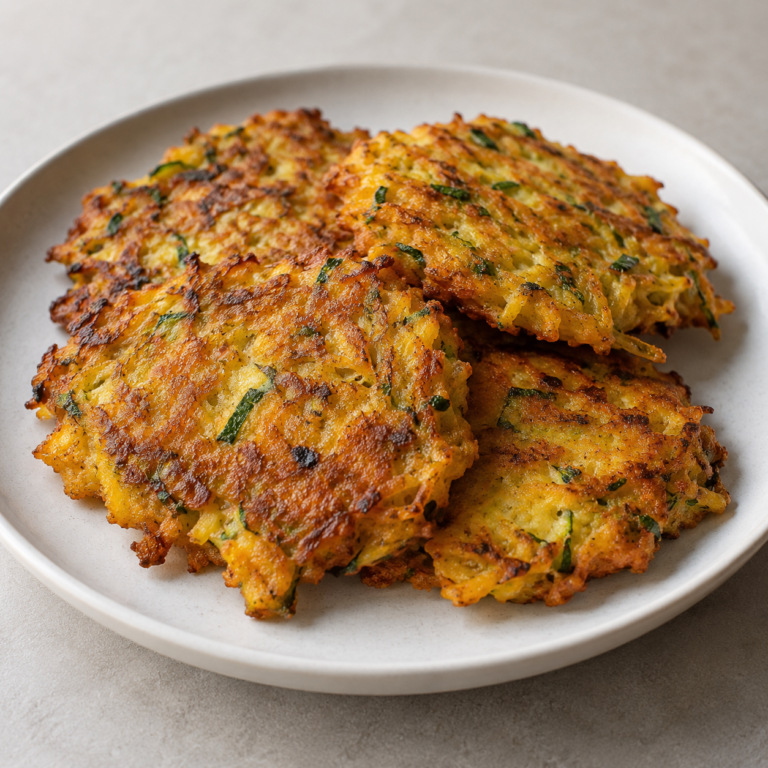
Pumpkin courgette fritters with coconut flour and chives
Grated vegetables are combined with coconut flour, egg and seasonings. Salt is added after frying, while chives are part of the mixture.
View recipe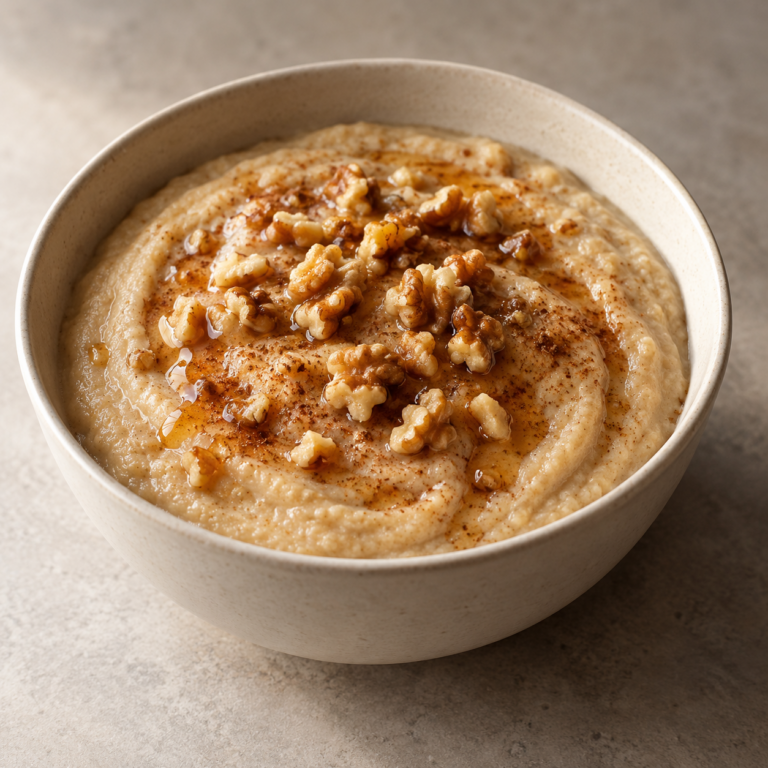
Millet cream with almond butter, maple syrup and walnuts
Millet cooked in almond drink becomes a smooth cream after blending. Maple syrup, walnuts and cinnamon remain on top.
View recipe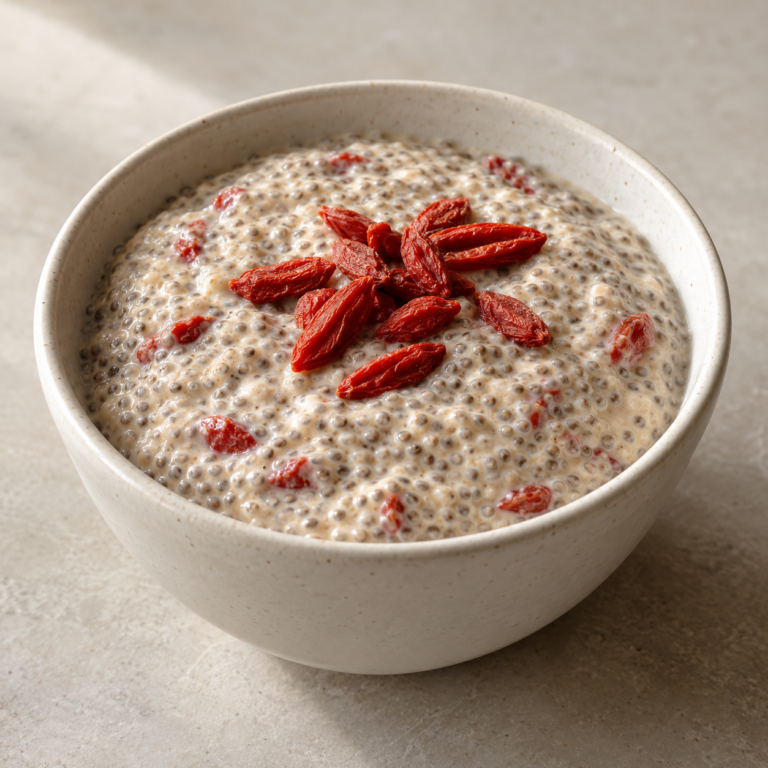
Chia pudding with tahini and dried goji berries
Tahini combines with chia in a chilled pudding, with some goji berries reserved for topping.
View recipeImages generated for MyTrela show serving suggestions. The recipes have not been kitchen tested; nutritional values and total preparation times have not been verified.
Sources and further reading
Prepared by MyTrela with AI assistance. The source links identify materials used in preparing this content.


