In the kitchen with MyTrela
Avocado: choosing, cutting and using it
Avocado that holds its shape is useful for cubes; one that mashes easily suits a spread. This guide helps plan buying, safe cutting, weighing the flesh and storing the remaining portion.
Successful avocado preparation depends on matching ripeness to the dish. The same fruit may mash easily with a fork yet be too soft for even slices. Before buying, decide whether you need it today or in a few days, and whether it should remain in pieces. Then work on a stable board, weigh only the flesh and prepare somewhere for the unused part. These small decisions make following a recipe easier without rushing or making accidental quantity substitutions.
Check ripeness with gentle pressure
Hold the fruit in your hand and gently check whether it gives slightly under pressure. Do not press hard in one spot with your fingertips, as this can easily damage the flesh. The California Avocado Commission identifies a slight yield to gentle pressure as a sign of readiness to eat. A very hard avocado usually needs more time. Avoid excessively soft fruit with obvious damage or concerning surface changes.
Do not choose by skin colour alone. Hass darkens as it ripens, but other varieties may keep a green surface. The variety label and touch therefore tell you more than simply comparing two colours on the shelf. For a salad, look for ripe fruit whose flesh can still be cut; for a spread it can be softer, but it must remain suitable to eat. Extreme softness is not a way to get a better spread from a product of doubtful quality.
Plan ripening before cooking
Leave a hard avocado to ripen at room temperature. Check it daily and match the preparation day to its actual softness. The California Avocado Commission suggests a paper bag with an apple or kiwi, which can speed up the process. Do not seal the fruit in an airtight container of water, and do not treat any online method as a guarantee that it will be ready at a chosen hour.
If a ripe avocado will not be used immediately, move it to the fridge. Buying several fruits for different days makes sense only if you check their condition. They do not have to ripen together. When planning breakfast, check the avocado the day before; a hard fruit will not become a creamy spread merely by spending longer in the blender. Microwave heating does not replace natural ripening, and the producer organisation advises against using it to speed the process.
Wash it and cut on a stable board
Wash your hands, the fruit and utensils, and dry the skin. Washing matters even when you do not eat the skin: the knife contacts its surface during cutting. Position the board so it cannot slide. Keep the avocado resting on it while guiding the blade. Keep fingers out of the blade’s path; do not score the flesh with a knife in a half held in your hand.
- Place the fruit on the board and carefully cut lengthwise down to the stone, following a cut around it.
- Turn the fruit a quarter-turn and make a second lengthwise cut around the stone, keeping track of your fingers throughout.
- Put the knife down, gently separate the quarters and remove the exposed stone with your fingers.
- Peel the quarters, then cut the flesh itself on the board or transfer it to a bowl.
The California Avocado Commission describes the quartering method. Do not strike the stone with the blade or try to pull it out with a knife. If the fruit is difficult to position securely or divide, stop and adjust your workspace instead of applying more force.
Weigh the edible portion before mixing
In a recipe, avocado weight refers to the flesh where the ingredient basis specifies this. The skin and stone do not reach the plate, so weighing the whole fruit does not equal weighing the portion intended for the dish. Place a bowl on the scales, zero them and add the peeled flesh. Add juice, seasonings and the remaining ingredients only after reaching the required weight.
Do not assume a fixed weight for “half an avocado”. Two fruits that look similar outside can have different stones and different amounts of flesh. If the recipe requires 70 g, weigh 70 g rather than replacing the figure with half a fruit. For a spread prepared for several identical meals, you can weigh the combined quantity and divide the finished, evenly mixed batch. Do not assign the resulting portion nutritional values calculated from another recipe or a random product.
Match the utensil to the texture you want
A fork is enough for a spread that should retain small pieces. A blender is useful when the recipe calls for smooth pesto or cream. A knife lets you keep cubes and slices. In a salad, add chopped avocado so that later mixing does not turn it into sauce, unless that is the intended effect.
| Use | Method | What to check |
|---|---|---|
| Spread for bread | Mash with a fork in a bowl. | Whether it spreads without tearing the slice. |
| Salad | Cut the peeled flesh on a board. | Whether the pieces keep their shape during mixing. |
| Herb pesto | Blend the ingredients specified in the recipe. | Whether the paste coats the remaining ingredients evenly. |
| Cocoa cream | Blend the weighed flesh with the additions. | Whether any unblended pieces remain. |
Do not automatically add olive oil, water or juice to make blending easier. First check the full recipe and the appliance’s capabilities. Extra liquid may change flavour and texture, while extra fat changes the dish’s ingredients.
Compare specific uses before choosing a dish
Rye bread with avocado spread and radish uses mashed flesh with lemon, olive oil and seasonings. In lettuce-leaf rolls, the spread is part of the filling, so being able to roll the leaf comfortably matters too. Cucumber with avocado and rocket uses cubes, with the sauce prepared separately.
In rice noodles with parsley and avocado pesto, the flesh is blended with parsley and the other specified ingredients. The omelette with cocoa cream demonstrates separate preparation of the warm base and the cream: avocado is not added to the raw egg mixture. These dishes differ in ingredients and method. Do not use their shared ingredient alone as a reason to transfer proportions between them.
Limit browning and put the remaining portion away
Cut flesh may darken on the surface. The California Avocado Commission recommends sprinkling it with lemon or lime juice, limiting air contact and keeping it in the fridge. Use a small airtight container; a spread can also be covered directly against its surface. If following a recipe, include the juice it specifies in the measured quantity.
This helps preserve appearance, but does not extend safety indefinitely. Note when the fruit was cut and plan to use the rest promptly. Do not leave prepared spread on the worktop throughout the preparation of other meals. Mould, signs of rot or another concern about quality mean discarding the product, not covering it with cocoa or a strong dressing. Next time, match the number of fruits you buy to the dishes you have actually planned.
Recipes on MyTrela
Number of recipes: 5
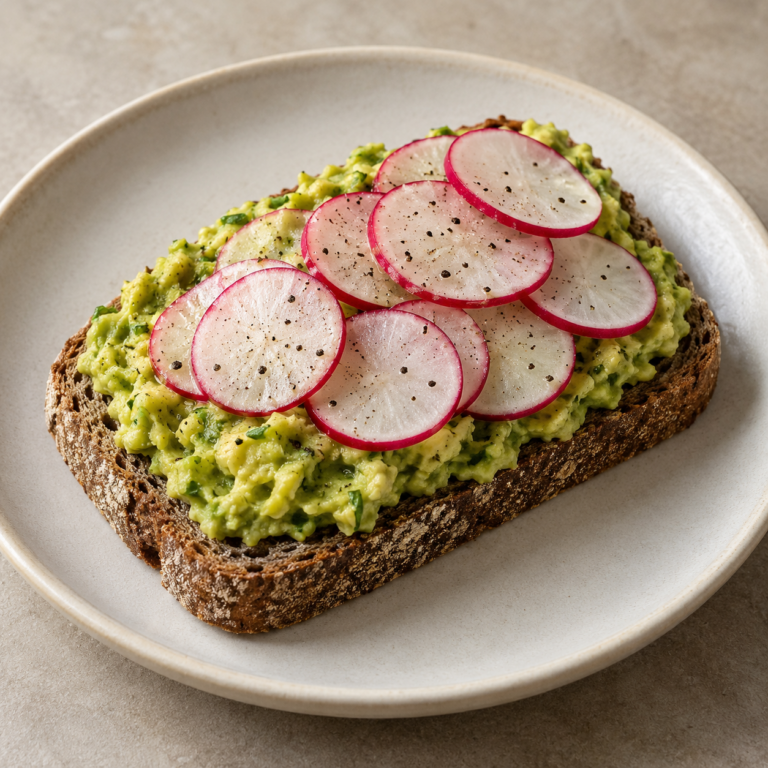
Rye bread with avocado spread and radish
Mashed avocado combines with garlic, lemon, olive oil and chives. Radish is the vegetable topping for the sandwiches.
View recipe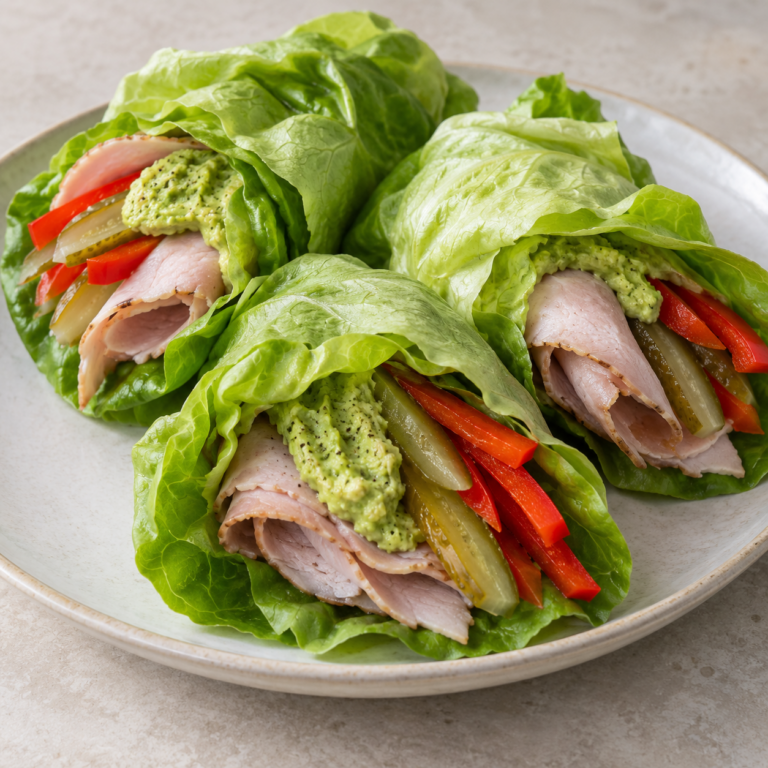
Lettuce rolls with ham and lemon avocado
Butterhead lettuce leaves form the outer layer of the rolls. Inside are pork ham, avocado paste and strips of red pepper and fermented cucumber.
View recipe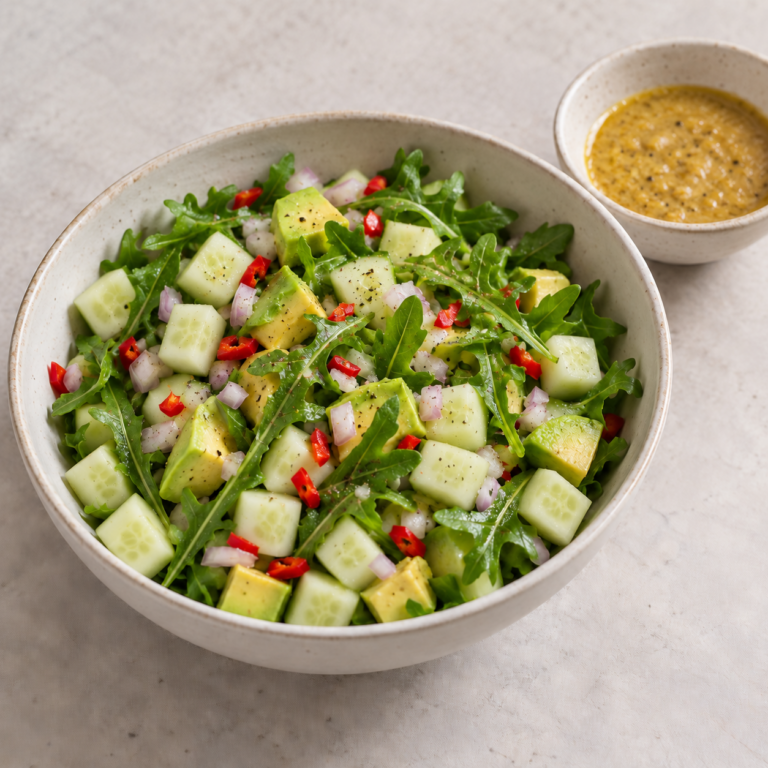
Cucumber and avocado with rocket and mustard sauce
Chopped cucumber and avocado combine with chilli, shallot and rocket. A sauce of mustard, garlic and ginger is made in a separate small bowl.
View recipe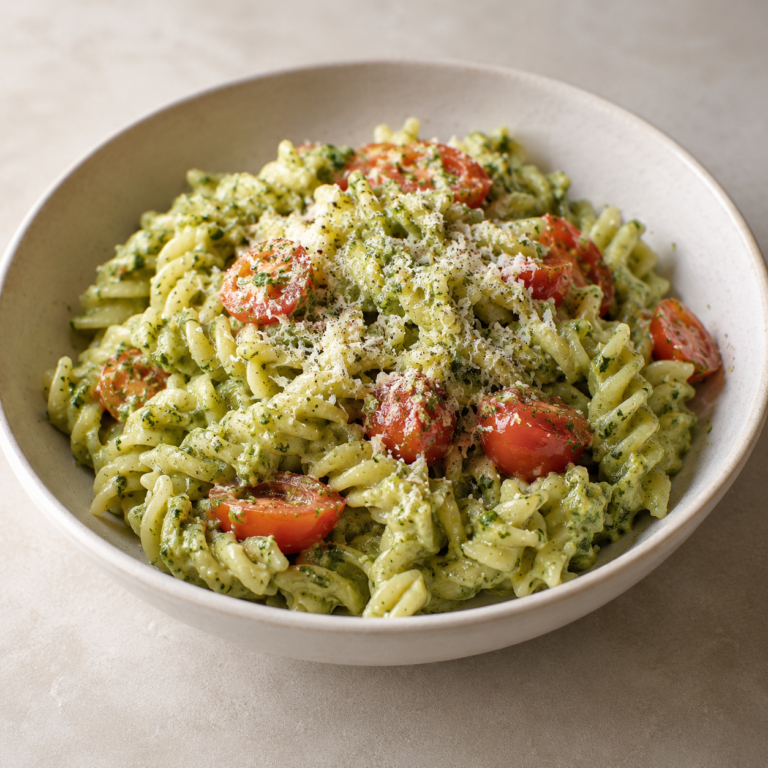
Rice noodles with parsley avocado pesto
Smooth pesto of parsley, avocado and walnuts coats noodles served with cherry tomatoes and parmesan.
View recipe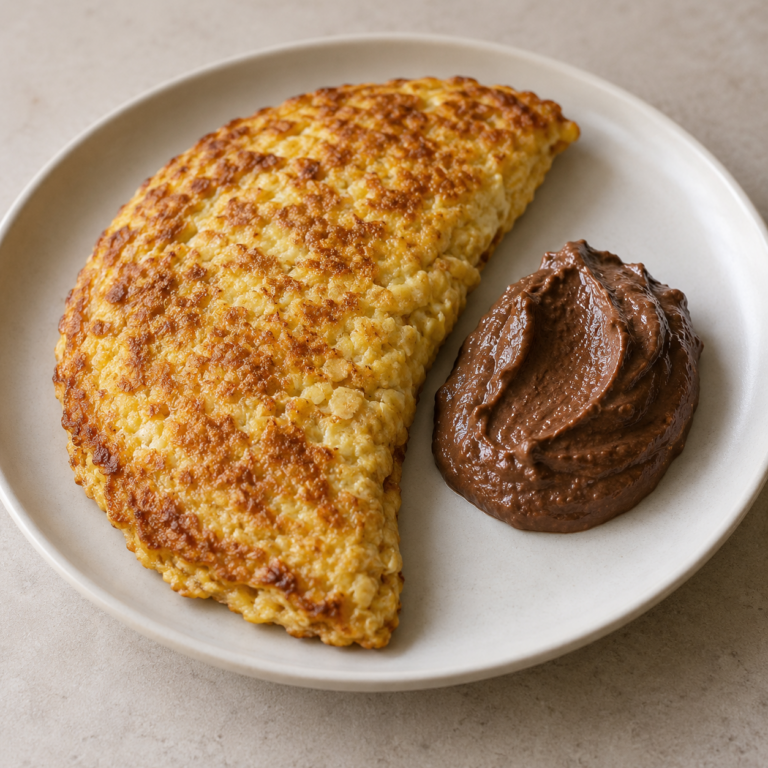
Millet flake omelette with cocoa avocado cream
Serve an omelette of weighed egg contents and millet flakes with cocoa cream made from avocado flesh. The entire egg mixture is fully fried.
View recipeImages generated for MyTrela show serving suggestions. The recipes have not been kitchen tested; nutritional values and total preparation times have not been verified.
Sources and further reading
Prepared by MyTrela with AI assistance. The source links identify materials used in preparing this content.


