In the kitchen with MyTrela
Storing, freezing and reheating meals
A good container makes taking lunch to work easier, but storage also depends on time, temperature and preparation. Organise these three things before you start cooking a larger batch.
First make room in the fridge
Before cooking, check where you will put the finished portions. When the fridge is packed full, fitting in new containers while maintaining airflow is difficult. Take out products that need using, organise a shelf for prepared food and set out clean, food-safe containers. Choose sizes that hold one serving or the amount you will actually eat at one time.
The FSA recommends a fridge temperature of 0 to 5°C and a freezer temperature of around −18°C. The dial setting is not a substitute for measurement: use a thermometer and follow the appliance instructions. If a product label requires a lower temperature, follow those conditions. Store raw meat and fish in sealed containers on the bottom shelf, separate from prepared food.
Choose an easy-to-read label: dish name, preparation date and time, and number of servings. Nobody in the household should have to guess whether a box contains yesterday’s dinner or an older leftover.
Plan cooling while you are still cooking
Do not leave a large saucepan on the worktop intending to put it away before bed. According to the FSA, cooked food should be cooled and placed in the fridge within one to two hours. Divide it into smaller portions to speed up cooling. Do not put a hot saucepan straight into the fridge. For a large quantity, placing the container in a cold-water bath may help; protect the food from water getting inside.
Before switching off the hob, set out containers and prepare labels. This lets cooking move smoothly into portioning. Record the time you start cooling the dish, rather than timing from when you close the box. If you cannot cool the whole quantity efficiently, cook a smaller batch next time.
Separate the portion for today’s meal from food intended for storage. This avoids bringing the whole batch to the table and returning it to the fridge several times.
Set a use-up deadline for the particular dish
For properly cooled leftovers, the FSA advises eating them within 48 hours or freezing them. This does not promise the same shelf life for every ingredient and dish. Consider the manufacturer’s instructions after opening and any specific guidance for the type of food. Freezing does not remedy earlier incorrect storage.
Rice needs its own plan. The FSA recommends cooling it quickly, ideally within an hour, and eating refrigerated rice within 24 hours. Do not leave it to cool slowly in a saucepan or rice cooker. Reheat it only once, until it is hot in the centre too.
When storing several boxes, put those that need eating soonest at the front. If your plans change and you no longer need a lunch, decide about freezing it early enough. Do not change the label date to fit a new day out.
Freeze portions you can easily use later
Before putting a dish in the freezer, check the guidance on the packaging of the products used. Pack cooled food securely and label it with its name, freezing date and portion size. A flat package or small box is usually easier to organise than one container holding several different meals. Use freezer-suitable packaging and fill it according to the manufacturer’s instructions.
Record separately what is a finished dish and what is an ingredient for further cooking. “Chicken” leaves too many questions; “cooked chicken, two servings, date” helps you make a specific decision. If the meal will still need a sauce or side, note that on the label or stock list.
Start with a small portion of a new dish. After thawing, assess its texture and taste. A change in quality may affect how enjoyable it is to eat, although quality alone does not determine food safety.
Allow time for thawing
Transfer a frozen portion to the fridge in a container that prevents leaks. The FSA recommends using food within 24 hours of complete thawing. The time needed to thaw depends on portion size; do not assume a large box will be ready after the same number of hours as a small package.
Add moving a portion to the fridge to your daily plan, for example during your evening kitchen tidy-up. Check the food before reheating: a frozen centre means the process needs more time or another method specified by the manufacturer. Do not thaw a meal on your desk throughout the day.
If using the microwave’s defrost setting, follow the appliance instructions and continue with preparation immediately afterwards. Do not take out several boxes “just in case” when you need one. Individually packed portions let you keep the rest of your supply in the freezer.
Heat the centre of the dish, not just the edges
Food needs to be hot throughout, including the centre. In a microwave, stir or turn the food where possible and allow the standing time stated in the instructions. A hot sauce surface does not mean a larger piece of meat inside has reached the right temperature. Stir food when reheating it on the hob too.
The FSA recommends reheating leftovers only once. Take out the portion you intend to eat, rather than heating the entire batch and cooling it again. A clean food thermometer helps check the temperature inside a dish; use it as instructed and wash the probe between readings.
Do not specify one universal number of minutes for every container. Appliance power, the quantity of food, its starting temperature and the container’s shape all affect reheating. Keep the instructions from the product packaging and check that the container you are using is microwave-safe.
Keep lunch cool on the journey to work
Lunch taken from the fridge should stay chilled during transport. Use an insulated bag with an ice pack and put the food in the fridge when you arrive. A tight lid prevents spills, but does not maintain the right temperature. Do not leave the box in a hot car or on a windowsill.
Before choosing a dish, check the facilities at work. Is there a fridge? Can you reheat the food? If you cannot keep it chilled, organise the meal differently instead of relying on an unconfirmed shelf life for a salad. You can transport sauce separately for texture, but ingredients that need chilling still need to be kept cold.
Pack fresh components and the portion for reheating in separate containers. Rocket or cucumber does not need to go into the microwave with the rest of lunch. Keeping them separate makes assembling the meal just before eating easier.
Check the box before leaving
- Do you know the preparation date and how the food was stored previously?
- Was the dish cooled properly, and is it still within the appropriate storage period?
- Is the container clean, closed and suitable for its intended use?
- Can you keep the food chilled during the journey and at your destination?
- Are you reheating only the portion needed, for the first time?
If information about storage time or temperature is missing, do not replace it with a smell check. For products marked “use by”, a good appearance does not establish safety after the date. Recording dates and making a simple cooling plan help avoid these unknowns with your next batch of meals.
Recipes on MyTrela
Number of recipes: 4
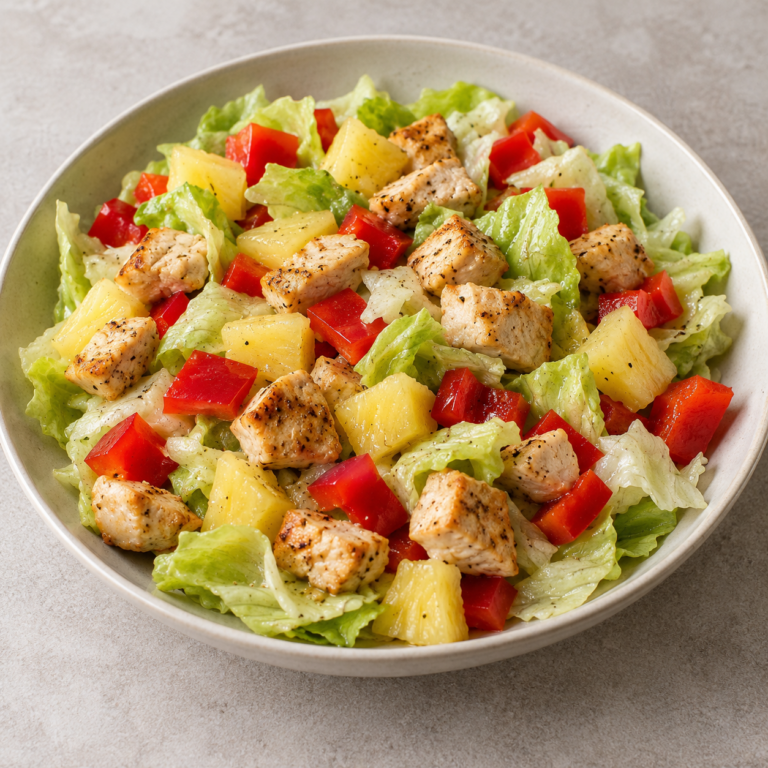
Iceberg salad with chicken, pineapple and pepper
Fried chicken is mixed with torn iceberg lettuce, pineapple and red pepper. The dressing is made from oil remaining after measuring the frying portion, wine vinegar and the stated seasonings.
View recipe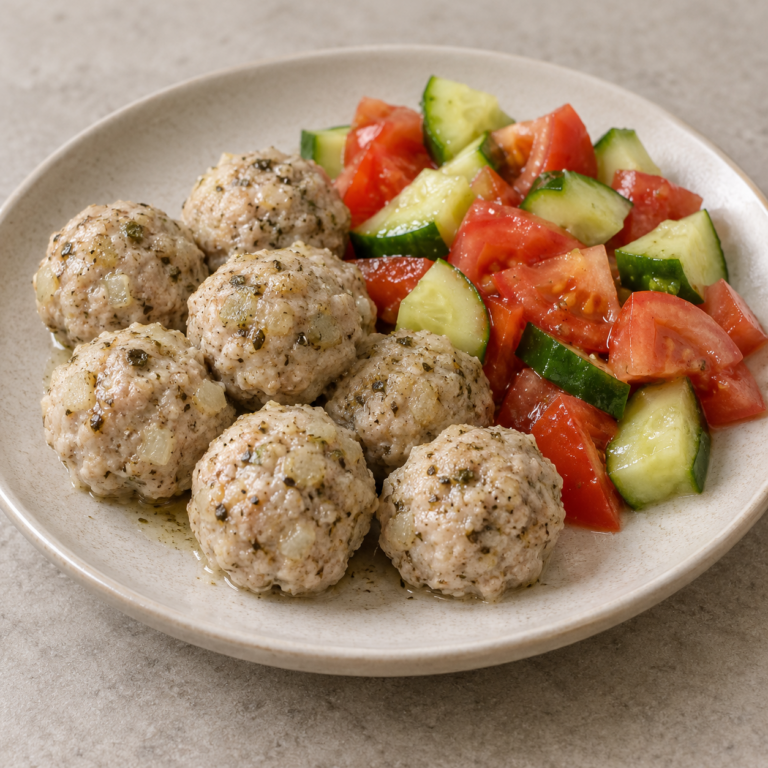
Boiled turkey meatballs with tomato cucumber salad
Minced turkey with onion and salt is shaped into meatballs and boiled in water. Drained meat is combined with garlic herb olive oil, while tomato and cucumber are served with linseed oil.
View recipe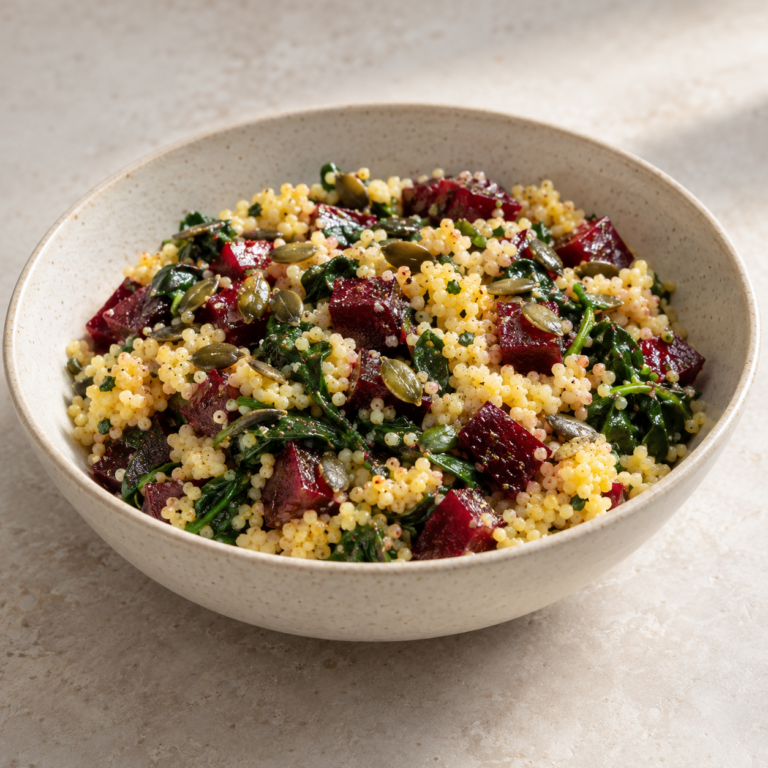
Millet salad with beetroot and spinach
Millet cooks covered and is combined with spinach after resting. Prepared cooked beetroot, pumpkin seeds and vinaigrette join on the plate.
View recipe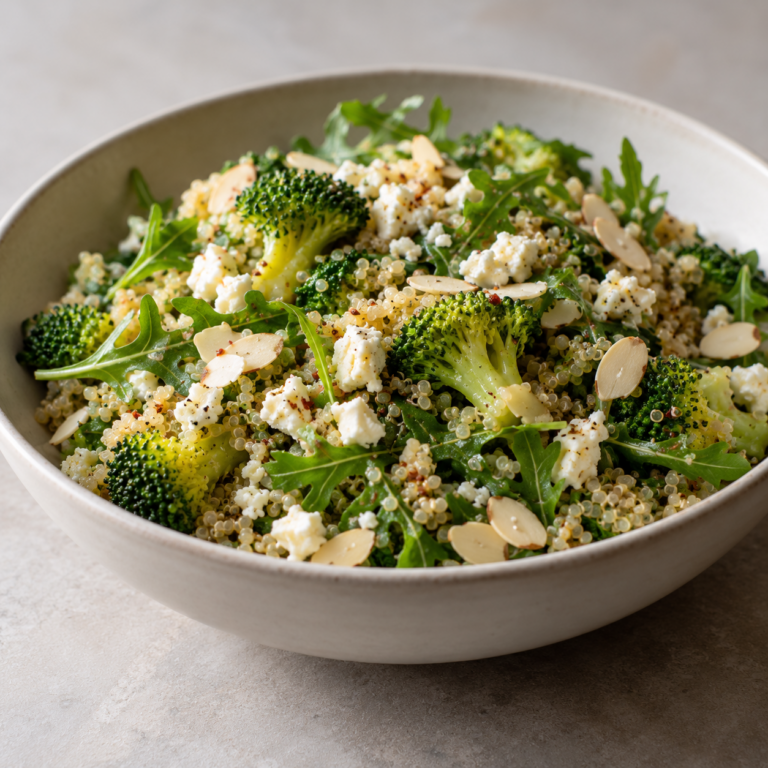
Quinoa with broccoli, feta and mustard dressing
Feta, flaked almonds and rocket complete quinoa with broccoli in a lemon mustard dressing.
View recipeImages generated for MyTrela show serving suggestions. The recipes have not been kitchen tested; nutritional values and total preparation times have not been verified.
Sources and further reading
Prepared by MyTrela with AI assistance. The source links identify materials used in preparing this content.


