In the kitchen with MyTrela
Batch cooking: how to prepare several meals
Batch cooking can begin with one extra container. Choose a small number of dishes, check your storage space and make a plan that suits your kitchen and the next few days.
Start with a realistic eating plan
Write down when you need a prepared meal and for how many people. Include meals away from home, a day working remotely and an evening when you would rather cook something fresh. Cooking in one session does not mean preparing every dish for the whole week. Start with two or three specific meals and one small batch for the freezer.
Add three details for each meal: where you will eat it, access to chilling and how it will be served. A cold lunch, a meal for reheating and a breakfast prepared in the morning have different organisational needs. Use that list to establish the number of containers and the order of work. Do not increase a batch simply because the saucepan can hold more.
Also consider how much repetition you enjoy. If you do not want to eat the same dish several times, make fewer servings. You can plan variety by choosing different recipes, rather than changing accompaniments without checking their quantities.
Choose recipes that work together in preparation
Read the full instructions before shopping. Pay attention to equipment, the order of stages and tasks requiring your presence at the hob. Two dishes described as “pan-cooked” may need the same pan at the same moment. Several dishes with similar ingredients do not always make cooking simpler if each requires a separate sauce and a different cooking method.
A useful starting point is one dish for reheating, one meal assembled from separate components and an easy breakfast. Use MyTrela collections to choose, but check each recipe’s instructions. A collection’s name describes the selection criteria, not a guaranteed preparation time or shelf life for the finished dish.
- List shared tasks, such as washing vegetables or weighing ingredients.
- Mark stages that cannot be done simultaneously with the same equipment.
- Separate ingredients used raw from those requiring cooking.
- Decide which portions you will eat soon and which you will freeze.
Scale the servings before starting work
First establish the number of servings in the recipe, then the size of your own batch. If a recipe makes two servings and you need four, double the ingredient quantities. This is a calculation example, not a promise of identical cooking time: a larger quantity in a pan or saucepan may require working in batches and checking doneness.
Keep the weighing stage unchanged. Groats weighed dry do not become cooked groats on the shopping list. Drained fish does not mean the weight of the entire can’s contents. Record olive oil measured separately as its own ingredient, rather than counting an unknown amount of fat remaining on a drained product.
Prepare a sheet with each dish’s name and the planned number of servings. Cross off weighed ingredients only after adding them. This helps distinguish the bowl for one dish from the ingredients for another, especially when preparing several similar combinations at once. Do not convert grams into spoonfuls without an appropriate measure for that product.
Order the work by task, not by dish
Before turning on the hob, prepare your workspace, containers and cooling area. Take out only the ingredients you need. Keep products requiring chilling out of the fridge for as little time as possible. Making a larger batch should not mean leaving the entire contents of the fridge beside the chopping board for a long time.
You can follow the outline below. Adapt it to the instructions for your chosen dishes rather than treating it as a recipe for any combination.
| Stage | What to prepare | What to check |
|---|---|---|
| Workspace | Scales, containers, labels and a servings list | Space in the fridge and freezer |
| Ingredients | Vegetables and measured additions | Separation of raw meat from ready-to-eat ingredients |
| Cooking | Cooking stages from the chosen recipes | Doneness according to the instructions |
| Portions | Small containers for cooling and storage | Preparation time and the intended use of each portion |
Work with ready-to-eat products first and plan raw-meat preparation separately. Wash hands, tools and surfaces after preparing it. Check doneness during cooking, rather than relying only on a timer. A larger batch needs attention in the centre of the container too.
Finish the session by portioning and storing
Cooking is complete when the food has been stored properly and the workspace tidied. Prepare labels before dividing portions. Record the dish name, date, time and number of servings, and add the freezing date for freezer supplies. “For Tuesday” is convenient, but without a preparation date it does not describe the food’s history.
Cool dishes in smaller portions and follow the rules in the storage guide. Do not treat an ordinary weekly plan as permission to keep all cooked dishes in the fridge for seven days. The FSA recommends eating properly stored leftovers within 48 hours or freezing them; particular products may have shorter recommended periods.
Divide your supply into two groups: meals to use soon and portions for freezing. For lunch containers, note which components need adding before you leave. This might be a separately packed sauce or an ingredient stored according to the manufacturer’s information.
Leave some assembly for later
Not every task needs to be done ahead. Where the instructions allow it, you can combine the dressing and delicate salad components just before eating. Separate packaging helps texture and convenience; it does not automatically extend the safe storage period. Each ingredient still needs the right conditions.
Add small tasks for serving day to your plan: moving a frozen portion to the fridge, packing an ice pack or adding a measured accompaniment. Leaving yourself a short list helps prevent a morning search for ingredients. For lunch, include chilling during transport and access to a fridge at your destination.
You can also complete only part of the work: measure dry products, choose containers or check your supplies. If you will not have suitable storage for several prepared dishes over the next few days, that organisation is better than increasing the batch. Do not independently change the order of cooking ingredients if it matters for following the recipe correctly.
Improve one thing after the first batch
After using the meals, record a short observation. Did the number of servings meet your needs? Did the containers fit your bag? Could you store and reheat lunch properly at work? This information is more useful than judging whether cooking went “perfectly”.
Next time, change one element. You could choose a simpler recipe, reduce the number of dishes prepared simultaneously or make more individual freezer portions. If an ingredient remained unused, account for it in your next shopping list only if it is still suitable for use and has been stored correctly.
- Plan meals for particular days and eating conditions.
- Scale ingredients while keeping their units and weighing stages.
- Prepare containers and cooling space before cooking.
- Store and label portions as soon as the work is finished.
- Thaw and reheat only the quantity needed.
Start with a batch you can easily manage. Once this approach works, you can expand the number of dishes without losing clear quantities, dates and storage conditions.
Recipes on MyTrela
Number of recipes: 4
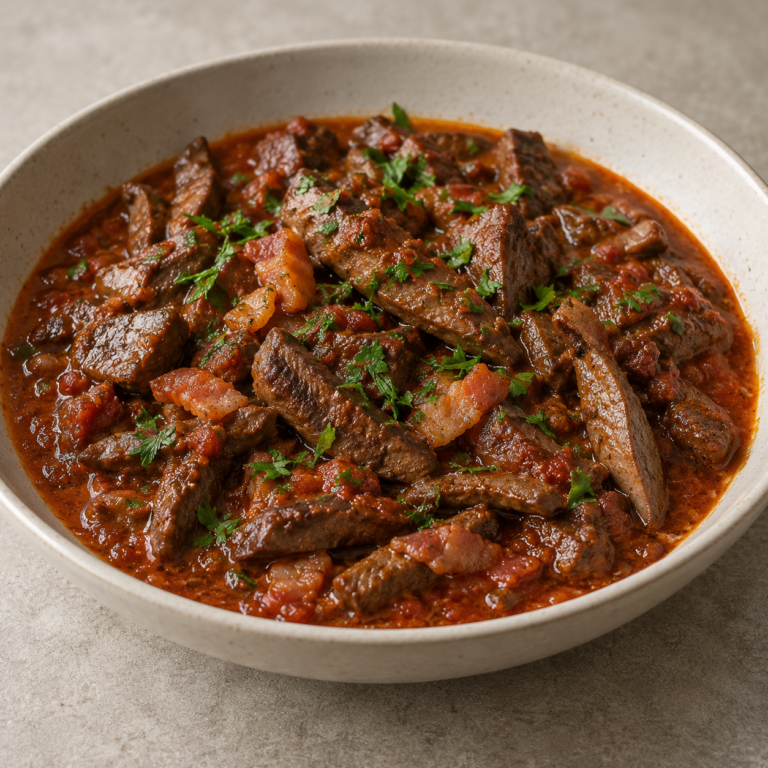
Chicken liver and turkey heart stew with bacon
Smoked bacon releases fat in which strips of chicken liver and turkey hearts are fried. Tomato purée and broth form the liquid part of the stew, with parsley added to the finished dish.
View recipe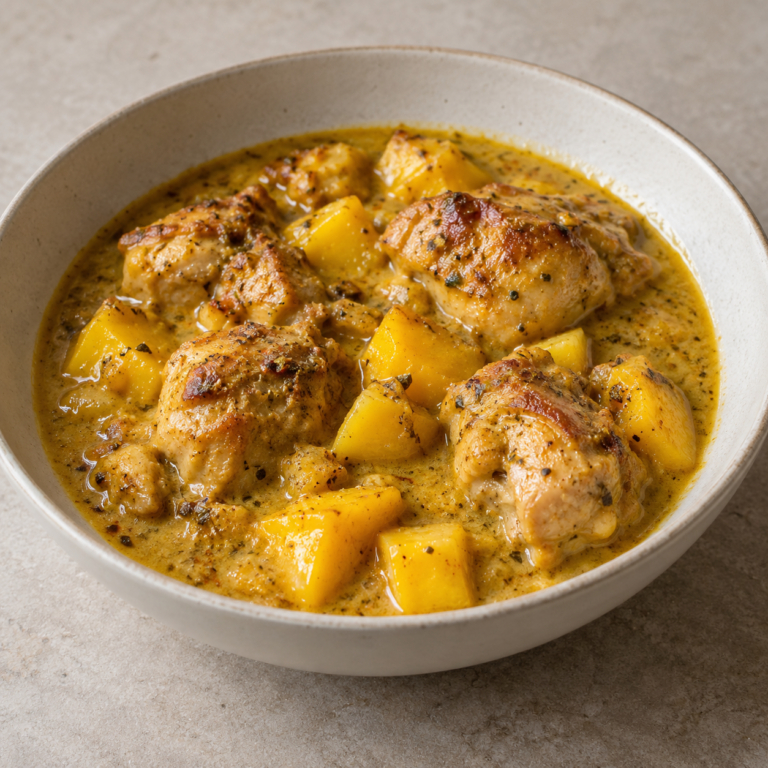
Chicken thigh pieces with mango and coconut milk
Prepare weighed boneless skinless thigh meat with mango, coconut milk and seasonings. Oil is measured separately and the chicken is fully cooked.
View recipe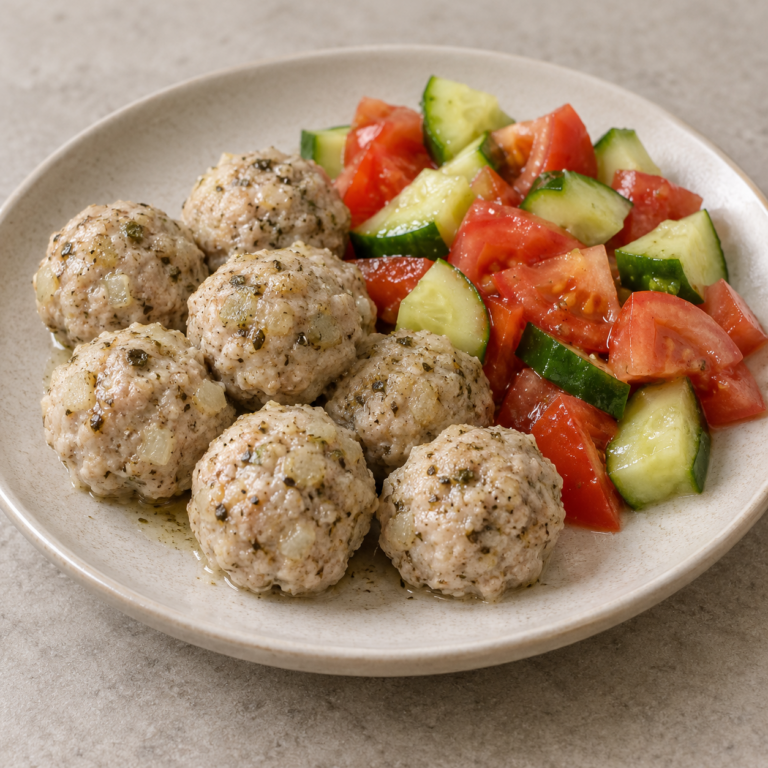
Boiled turkey meatballs with tomato cucumber salad
Minced turkey with onion and salt is shaped into meatballs and boiled in water. Drained meat is combined with garlic herb olive oil, while tomato and cucumber are served with linseed oil.
View recipe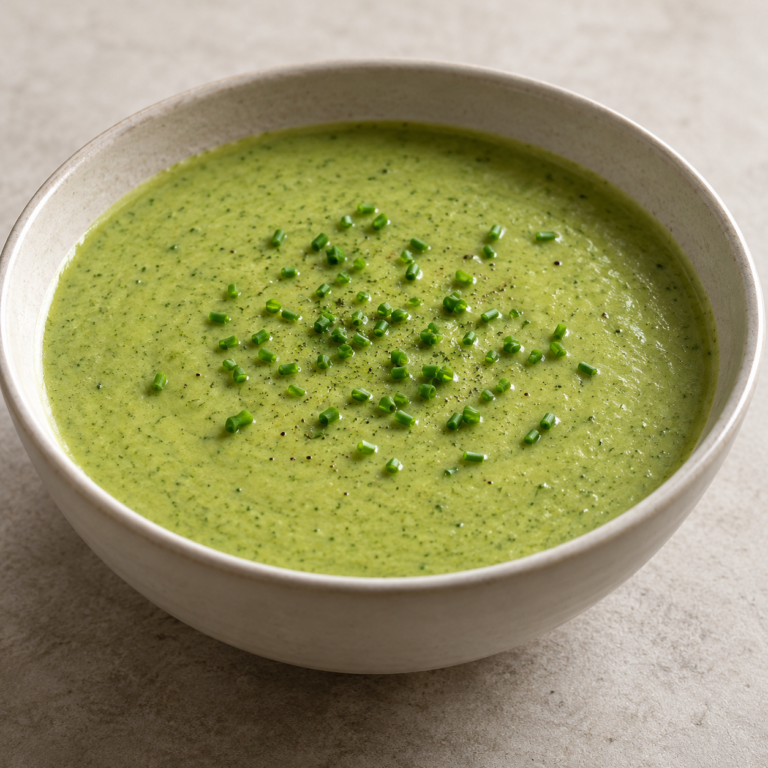
Smooth broccoli soup with coconut milk and chives
Broccoli and onion soften in weighed water, then combine with coconut milk after blending. Chives are added when serving.
View recipeImages generated for MyTrela show serving suggestions. The recipes have not been kitchen tested; nutritional values and total preparation times have not been verified.
Sources and further reading
Prepared by MyTrela with AI assistance. The source links identify materials used in preparing this content.


