In the kitchen with MyTrela
Choosing a frying pan and cooking without overcrowding
For pan cooking, the base area and space for moisture to escape matter. The right pan and working in batches make browning and doneness in the centre easier to control.
Match the base area to the dish
The diameter on the packaging does not always describe the entire flat surface on which food rests. Pans with similar widths at the top rim can have differently shaped sides and different usable bases. Look at the area where ingredients actually contact the vessel. For pancakes, you also need room to slide in a spatula; for a larger piece of meat, you need to turn it comfortably without splashing fat.
Before heating, picture the arrangement of the first batch: each pancake should sit on its own without overlapping its neighbour. You do not need to specify one number of pieces for every pan. Small apple pancakes, ham-wrapped asparagus and a fillet will each be arranged differently. If space is short from the start, plan further batches instead of hoping stirring will solve the problem during frying.
Consider the material and serving method
Choose a pan for the task and your hob. Check compatibility with the heating zone and the manufacturer’s instructions. A comfortable handle, stable positioning and a suitable lid also matter if the recipe calls for braising. A heavier vessel may be harder to lift with the finished dish; do not plan energetic tossing simply because that is how cooking looks in a video.
| Type of pan | Practical question |
|---|---|
| Non-stick frying pan | What heating, utensils and cleaning does the manufacturer allow? |
| Steel frying pan | Does the recipe method suit this surface, and can you control the heat? |
| Griddle pan | Will the ingredients fit on the ridges without piling up? |
| Deeper frying pan with a lid | Do you also need room for sauce and final braising? |
Instructions for one model do not automatically describe every coating. Do not transfer high-heat preheating from another technique to a non-stick surface. A griddle pan, meanwhile, makes different contact with food from a flat base; it is not a straightforward substitute for every pancake batter.
Heat under control
Prepare ingredients, utensils and a serving plate before starting to heat. Match the heating zone or flame to the base so the flame does not reach the sides. Maximum power is not a universal starting point for frying. Follow the recipe and pan manufacturer’s guidance, then observe progress. The control adjusts heat input, but the pan does not react instantly to every change.
Tefal recommends avoiding overheating an empty pan and leaving cookware unattended. Do not wait for oil to smoke before considering the pan ready. The USFA recommends switching off the heat if smoke appears or fat starts overheating. Address the cause instead of adding ingredients that cover the surface.
Watch moisture and crowding
A large amount of moist food releases liquid into the pan. If pieces are layered, some do not touch the base but rest on others. This creates a different environment from cooking a single layer: the ingredients may mainly heat in the released liquid. That can be desirable for braising but makes achieving a dry, browned surface harder.
Prepare products according to the recipe: wash and dry where specified, drain cooked additions and dry meat before the stated marinade. Do not independently squeeze pancake mixture or discard some marinade just to make things drier if the method does not call for it. That changes the recipe. The first solution to a space problem is a smaller batch, not randomly removing ingredients.
Organise batches without multiplying the fat
Weigh all the fat specified in the recipe before starting. If cooking in batches, plan how to use that portion across the whole dish. Do not automatically add the full quantity for each new batch. A small bowl of weighed oil makes it easier to see how much remains, while pouring straight from the bottle obscures that information.
- Prepare ingredients in similar sizes where possible within the same stage.
- Arrange the first batch with room for turning and without adding a layer on top.
- Adjust heat while watching the surface instead of constantly adding fat.
- Turn ingredients according to the method, checking the centre too when the recipe requires it.
- Before the next batch, assess residue on the base and the condition of the fat. Do not continue frying over burnt remnants.
Do not put cooked food on a plate used for raw meat. Also separate utensils used at the beginning from those used for serving, or wash them before changing their use. For a longer cooking session, follow the related meal-storage guide; the number of batches does not establish a safe holding time for the food.
Distinguish browning, setting and braising
Not every dish should be dry and deeply browned. In eggs in tomatoes with onion and garlic, water is first evaporated from the tomatoes; after adding the eggs, the pan is covered and the heat reduced. The lid belongs to that specific stage. It is not a general way to speed up every pancake when preserving the surface matters.
Pumpkin and courgette pancakes with coconut flour and chives need separate space for each spoonful of mixture. For small pancakes with apple, flakes and bran, the recipe also requires checking the centre temperature of the thickest pieces. The colour of the outside alone does not replace that check. Griddle-pan chicken in coconut marinade, meanwhile, calls for checking its thickest part with a thermometer before removing it. Keep these requirements even when the outside already looks appetising.
If the centre needs more cooking while the outside darkens quickly, assess the heat and portion thickness. Adding more products does not even out the doneness of earlier ones. Use the criteria described in the recipe instead of setting one frying time for different dishes.
Finish the work and protect the surface
When finished, switch off the heat and position the pan securely. Do not put a hot pan under cold running water. Tefal identifies sudden temperature changes as a cause of base warping and recommends cooling cookware before washing. Such warping makes stable positioning and cooking evenly harder later.
Choose your spatula and cleaning method for the coating. Do not cut food directly in the pan or scrape residue with a blade. Remove remnants after cooling according to the manufacturer’s instructions. Before the next use, check that the cooking base is clean, since remaining particles can burn independently of a new portion of food. A convenient pan is also one you can safely lift, wash and place on the hob again.
Recipes on MyTrela
Number of recipes: 4
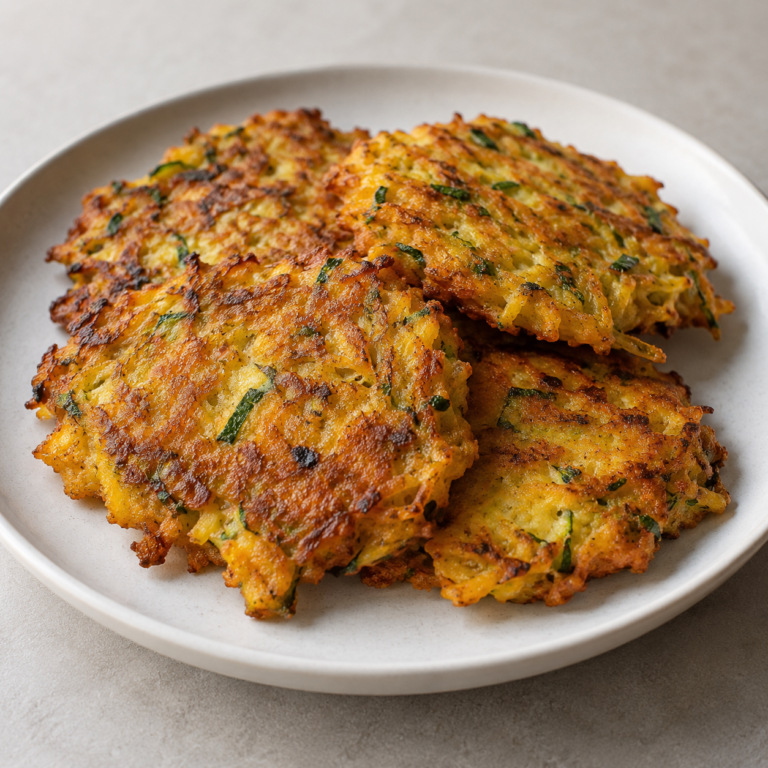
Pumpkin courgette fritters with coconut flour and chives
Grated vegetables are combined with coconut flour, egg and seasonings. Salt is added after frying, while chives are part of the mixture.
View recipe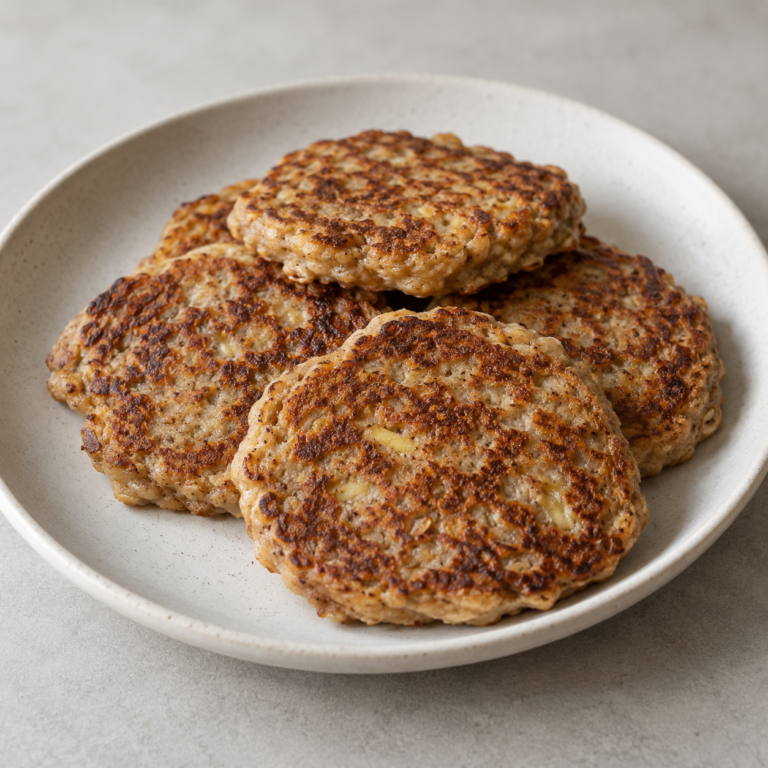
Apple fritters with oats and bran
Oats and bran first absorb water. Grated apple, egg components, ginger, cinnamon and wholemeal rye flour are then added.
View recipe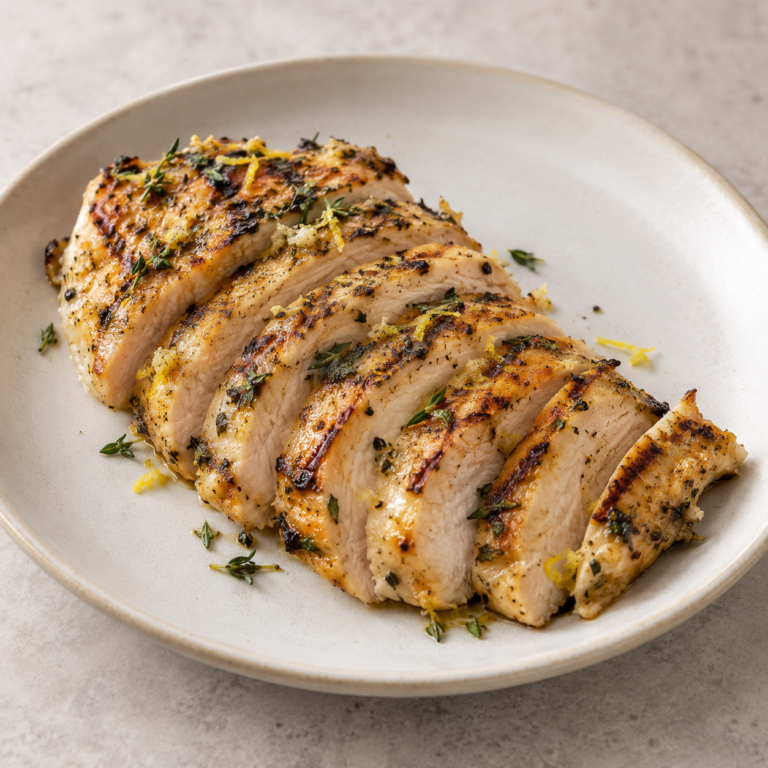
Grill-pan chicken in coconut marinade
Coconut paste, lemon zest and fresh thyme form a chicken breast marinade. The meat spends 20 minutes in it in the fridge, then is fried in olive oil on a grill pan and sliced for serving.
View recipe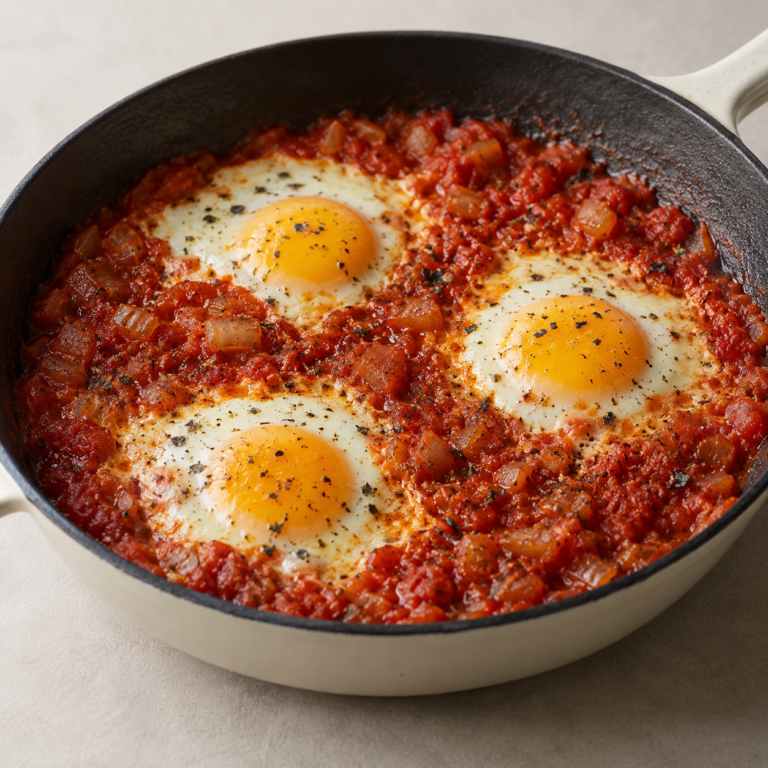
Eggs in tomatoes with onion and garlic
Peeled tomatoes are stewed with onion, garlic and seasonings before eggs are added. The final stage is covered over a reduced heat.
View recipeImages generated for MyTrela show serving suggestions. The recipes have not been kitchen tested; nutritional values and total preparation times have not been verified.
Sources and further reading
Prepared by MyTrela with AI assistance. The source links identify materials used in preparing this content.


