In the kitchen with MyTrela
Homemade sauces and dressings: combining ingredients and seasoning
A good sauce should suit the dish’s ingredients and spread easily over them. Mixing separately, tasting with a piece of the dish and calmly adjusting one feature at a time all help.
First decide what the sauce should do
Before taking out all your seasonings, consider what the sauce needs to do on the plate. Salad leaves need a thin coating that reaches between pieces without collecting in a heavy puddle at the bottom. A thick pasta sauce should spread between the strands. A sauce served alongside vegetables can remain firmer because you scoop it up with an individual piece. The name “dressing” alone therefore does not establish the thickness needed.
Look at the other ingredients too. Feta, olives, mustard and sun-dried tomatoes already bring distinctive flavours. Mild cucumber and quinoa create a different background from roasted vegetables. Do not assess the addition solely on the tip of a teaspoon: combine a little with the relevant ingredient from the dish. This makes it easier to decide whether the sauce really needs another seasoning or simply tastes strong when eaten alone.
Read the whole recipe before mixing
List the ingredients intended for the sauce and separate them from additions to the rest of the dish. Lemon juice may be used to sprinkle avocado or in a separate dressing; olive oil may be for cooking vegetables or finishing. These roles are not interchangeable. Pay attention to notes beside quantities, especially when one portion of salt, pepper or fat is divided between stages.
In quinoa with asparagus, radishes and herb dressing, olive oil and lemon juice are measured separately, then combined with parsley, garlic and basil. In red cabbage with chives, yoghurt, wine vinegar, oil and mustard form the base. Keeping that list intact helps explain the difference between the sauces without adding ingredients. If following a particular recipe, its weighed quantities remain the reference, even when the mixture initially looks unusual.
Before weighing, stir a product if it has separated in the package and its label calls for this preparation. Taking only the watery part of yoghurt or only the thick layer of another base may change the result. Put a bowl on the scales and tare it before the next ingredient. For small seasoning quantities, watch the reading carefully: several successive additions are harder to reproduce than one record of the total weight used.
Combine ingredients in a separate container
A small bowl makes it easier to inspect the sauce before pouring it over the dish. Work out lumps and distribute seasonings through the liquid part. Then combine the remaining components, scraping the mixture from the sides too. For vinaigrette, mix vigorously just before use. Visible separation of olive oil and the watery part does not necessarily mean a mistake: mixing again allows both parts to be distributed more evenly among servings.
A whisk, fork and blender produce different degrees of breakdown. Chopped herbs usually need only hand mixing; a paste of avocado, parsley and nuts benefits from blending. Choose the container and attachment for the quantity and according to the appliance instructions. KitchenAid describes starting to blend dressing at the lowest setting, then adjusting for the desired texture. This does not mean every small portion will mix well in a large jug.
Taste in the context of the whole dish
When creating your own mixture, change one thing at a time and taste again with a piece of the dish. For an existing recipe, first make sure all the specified ingredients have been used. Extra mustard changes pungency, saltiness and thickness at once; adding more vinegar afterwards may make it harder to assess what actually needed adjusting. No single ratio of olive oil to acid suits all products and preferences.
| Impression | Check first |
|---|---|
| Very acidic | Whether the sample included an ingredient from the dish and the complete sauce base. |
| Very salty | Whether mustard, cheese or olives already contribute salt. |
| Flat despite a strong aroma | Whether you are tasting after thorough mixing rather than from a single layer. |
| Dominated by garlic | Whether it is finely distributed or you encountered one larger piece. |
Match texture to the ingredients’ surfaces
Very wet leaves and poorly drained vegetables add extra water to the bowl. Even a carefully mixed sauce can then look diluted. Before combining, prepare lettuce according to the recipe and dry it, and drain cooked additions. Do not immediately try to rescue everything with more mustard or yoghurt if the problem is liquid at the bottom of the bowl.
For a thick paste, first check how finely it is processed and whether it is evenly mixed. Large nut pieces feel different from a smooth mixture even when the ingredients are identical. In your own trial, add any liquid gradually and record the change; when following a published recipe, do not independently add water or olive oil. It is particularly easy to overlook that the parsley and avocado pesto for rice noodles contains no separately added olive oil. Its base is avocado with parsley, garlic, lemon and nuts.
Five examples of different ways to combine ingredients
- Asparagus in Parma ham with lettuce and vinaigrette: olive oil is combined with balsamic vinegar, lemon, honey and salt, and the cooked asparagus is sprinkled with the measured portion.
- Red cabbage with chives: the vegetables wait separately while a smooth yoghurt and mustard dressing is made in a bowl.
- Quinoa with broccoli and feta: the dressing of olive oil, mustard, lemon and chilli goes into the quinoa first, before the other additions.
- Quinoa with asparagus: chopped herbs belong to the dressing, which is combined with the vegetables and cooled quinoa.
- Rice noodles with pesto: the paste ingredients are blended, and cherry tomatoes and Parmesan are added after combining the pesto with the noodles.
These examples show that order matters as much as the choice of base. Delicate ingredients do not have to go under the blade, while firm cabbage needs dressing spread thoroughly between its strips. When reading a new recipe, mark the combining stage and the components left until the end.
Prepare carefully and divide evenly
Wash your hands and prepare clean containers. Wash fresh herbs and vegetables before cutting; the FDA recommends running water and advises against washing vegetables with detergents. Prepare products marked washed and ready to eat according to their labels. A board used for raw meat should not also be used for cold-sauce ingredients without proper washing.
Before dividing dressing, mix it again and lift herbs from the bottom. Pour over servings alternately rather than pouring only the liquid layer onto the first plate. Use a clean teaspoon for tasting. If preparation is spread over time, choose cooling and storage rules appropriate to the ingredients using the related meal-storage guide, instead of setting one storage period for every homemade sauce.
Recipes on MyTrela
Number of recipes: 5
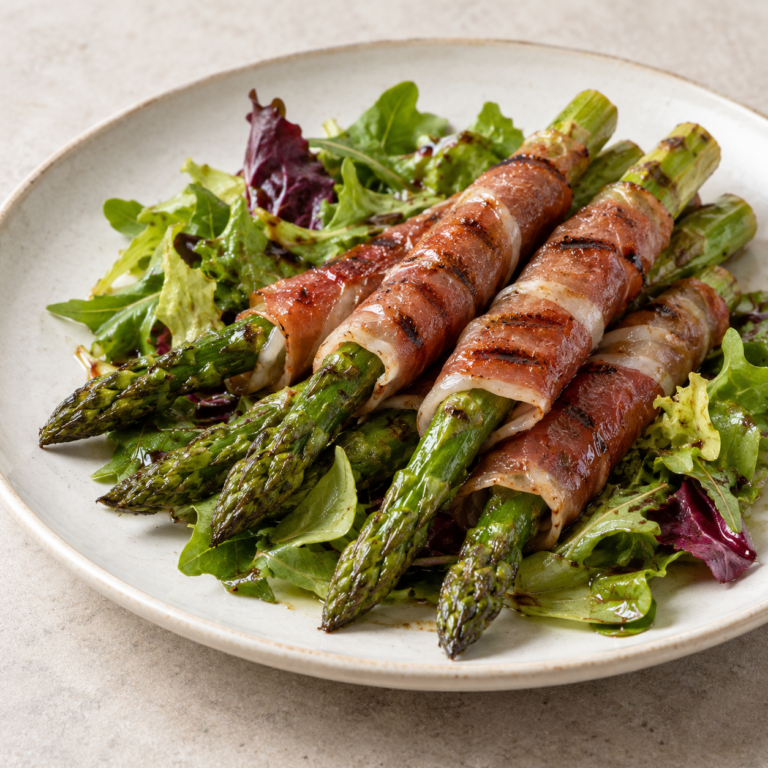
Asparagus in Parma ham with salad leaves and vinaigrette
Green asparagus wrapped in ham is browned on a grill pan with clarified butter. It is served on salad leaves with a vinaigrette of olive oil, balsamic vinegar, lemon and honey.
View recipe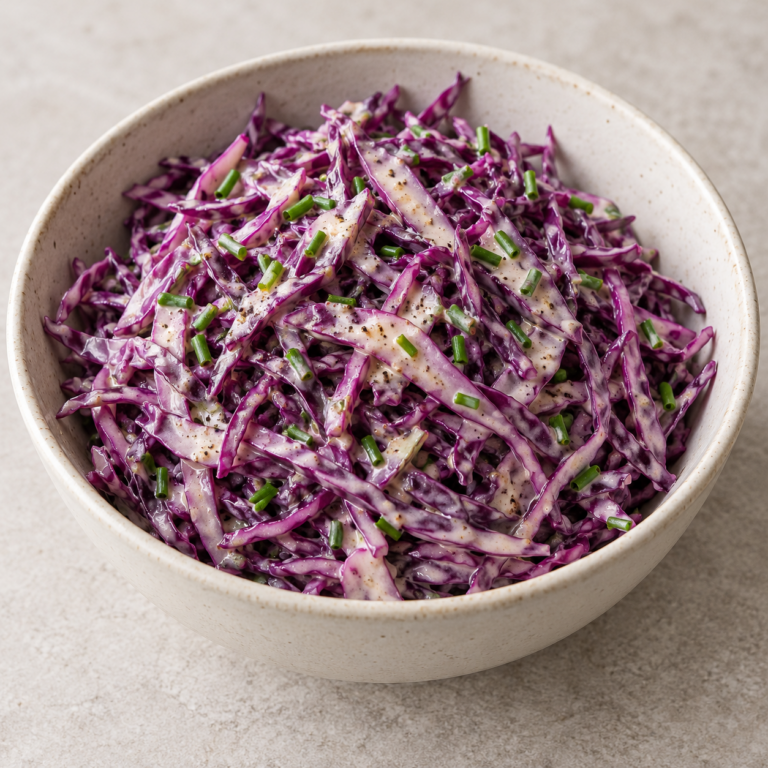
Red cabbage with chives in yoghurt mustard dressing
Raw red cabbage and chives are combined with yoghurt, mustard and wine vinegar. The dressing is made separately, then mixed with the vegetables.
View recipe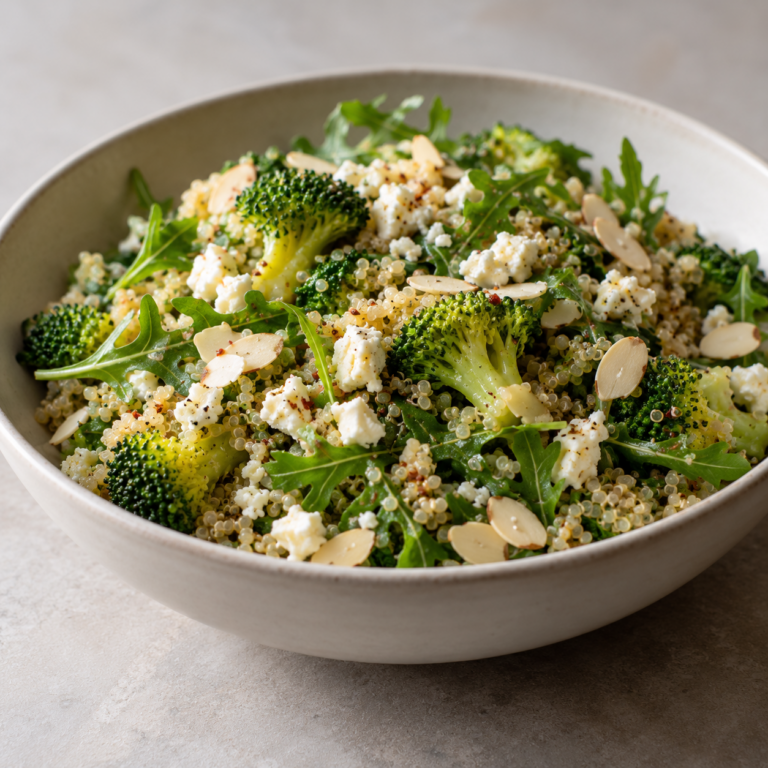
Quinoa with broccoli, feta and mustard dressing
Feta, flaked almonds and rocket complete quinoa with broccoli in a lemon mustard dressing.
View recipe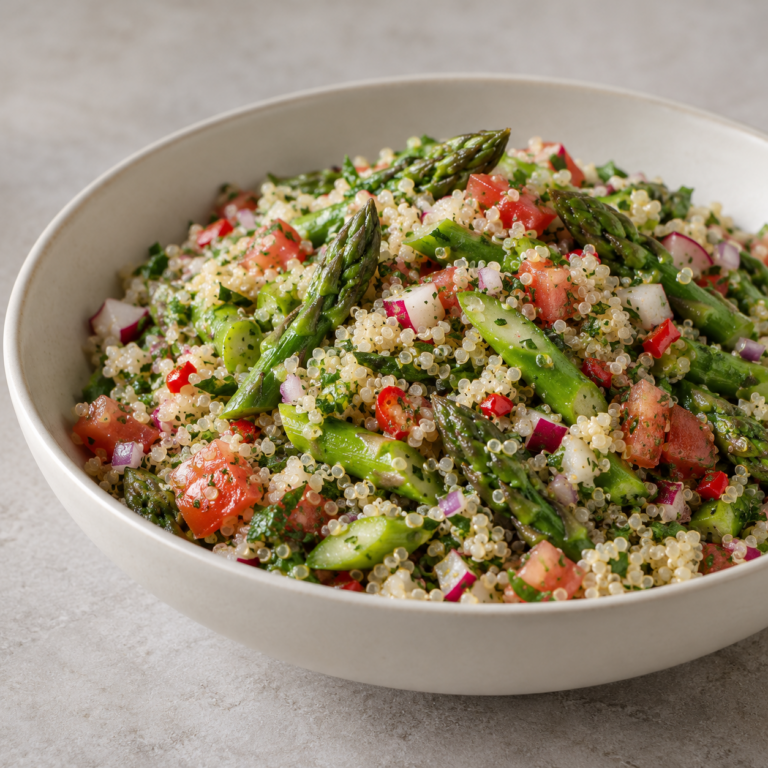
Quinoa with asparagus, radish and herb dressing
Quinoa weighed dry combines after cooking and cooling with asparagus, radish and tomato. A dressing of measured olive oil, lemon and fresh herbs coats everything.
View recipe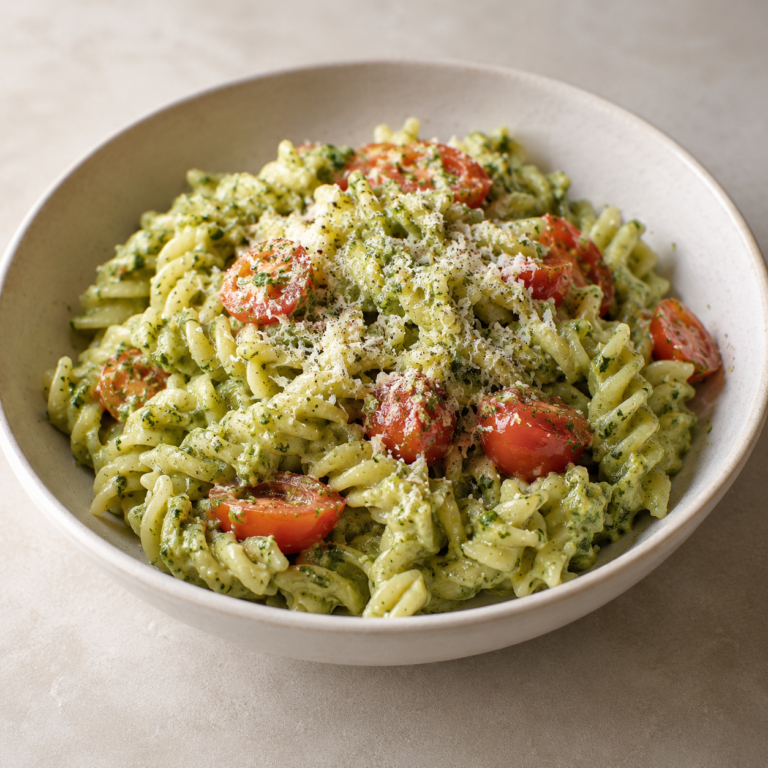
Rice noodles with parsley avocado pesto
Smooth pesto of parsley, avocado and walnuts coats noodles served with cherry tomatoes and parmesan.
View recipeImages generated for MyTrela show serving suggestions. The recipes have not been kitchen tested; nutritional values and total preparation times have not been verified.
Sources and further reading
Prepared by MyTrela with AI assistance. The source links identify materials used in preparing this content.


