In the kitchen with MyTrela
A shopping list from recipes: servings and less waste
A shopping list begins with servings, not the size of a shop promotion. Transfer quantities from your chosen recipes, preserve what those weights mean and subtract supplies you can actually use.
First choose meals and the number of servings
List the dishes you intend to prepare and how many servings you need. You do not have to plan every day identically. Include eating away from home, meals from frozen supplies and days when you cook for just one person. Buying ingredients for more dishes than you will actually prepare creates excess at the list-making stage.
Read each chosen recipe to the end. The ingredients list tells you what to buy, while the instructions help establish the state in which a product is used. Note the weight of dry groats, peeled vegetables or a drained product. If the stage is not clearly specified, do not guess a conversion between a can, a raw ingredient and a finished dish.
The numbers below are solely for demonstrating calculations. They are hypothetical extracts from ingredients lists, not complete recipes or quantities from recipes published on MyTrela. They do not specify nutritional values or a type of diet.
Scale each recipe separately
Find the multiplier: the number of servings you want to prepare divided by the number in the recipe. Multiply every ingredient quantity by that figure. Only then combine requirements from several dishes. Otherwise, it is easy to add one serving of one recipe to a whole batch of another.
In the example, recipe A gives quantities for two servings and we need four, so the multiplier is 2. Recipe B gives quantities for four servings and we need two, so the multiplier is 0.5.
| Ingredient and weighing stage | A: original quantity → plan | B: original quantity → plan | Total to prepare |
|---|---|---|---|
| Groats, dry | 100 g → 200 g | 80 g → 40 g | 240 g dry groats |
| Canned beans, after draining | 140 g → 280 g | 200 g → 100 g | 380 g after draining |
| Olive oil, measured separately | 20 g → 40 g | 30 g → 15 g | 55 g olive oil |
Scaling ingredients does not automatically scale cooking time. When making a larger batch, follow the instructions and check that the dish is done. Base the shopping list on product quantities, not the predicted weight of the finished meal.
Combine only matching units and products in the same state
Before adding quantities, standardise the names. “Dry groats” and “cooked groats” should remain separate entries. Similarly, distinguish a whole vegetable bought by the piece from the weight of its edible portion. If two recipes require different varieties or forms of a product, do not treat them as one ingredient merely because their names are similar.
- You can convert kilograms into grams: 1 kg equals 1000 g.
- Grams and millilitres measure different things. Do not add them without an appropriate conversion for that product.
- A spoonful does not have one fixed weight for olive oil, flour and chopped nuts.
- One vegetable can vary in weight. If a recipe specifies grams, you need to weigh it.
Keep notes such as “after draining”, “peeled” or “boneless” on the shopping list too. These short details help you choose a package or allow for parts you will not use in the dish. They do not, however, create a universal percentage loss for every product.
Check supplies before subtracting them
Open the cupboards, fridge and freezer. Check quantities, dates, packaging condition and storage instructions after opening. A product on the shelf is not automatically an available ingredient: it may already be allocated to another meal or need using before your planned cooking date.
In our hypothetical example, we have 90 g of dry groats, 120 g of drained beans and 15 g of olive oil. We assume all these supplies are stored correctly and suitable for use on the planned date. After subtracting them, we need to buy at least 150 g of dry groats, 260 g of beans after draining and 40 g of olive oil.
Do not subtract the weight of beans including their liquid from a requirement for drained beans. Likewise, do not subtract cooked groats from a dry weight. If the amount or state of your supplies is unknown, check before leaving instead of adding a seemingly precise number to the list.
Match packages to the weight you need
A can may state the net weight of its entire contents and the weight of the product after draining. If a recipe uses drained beans, compare the latter figure. The rules for declaring drained net weight on labels for food packed in liquid are described in Annex IX to EU Regulation 1169/2011.
Suppose your chosen package has a net weight of 400 g, including 240 g of beans after draining. To obtain the missing 260 g, you need two such packages: together they provide 480 g after draining. Once you use 260 g, 220 g of drained beans remain. This is an example package, not a fixed proportion for every brand.
Decide how to use the excess according to the product’s storage instructions, or choose different package sizes. Do not independently increase a recipe’s quantities just to empty a can. When olive oil is measured separately, do not treat the oil in another product’s packing liquid as a known part of the required 40 g.
Make a list that is convenient in the shop
Separate the quantity needed in the kitchen from the package size to buy. For groats, you could write: “need 150 g dry; buy a 500 g package”. The remaining 350 g is a supply you do not need to cook immediately. Add it later to your cupboard inventory, following the package’s storage conditions.
Group products by shop section: vegetables, chilled products, dry goods, canned goods and other items. Within each entry, keep important recipe requirements, such as the product type or a note about draining. If you allow a substitute, check it beforehand; different ingredients can change flavour, preparation and allergens.
Mark the products needed first. This helps you decide whether a large package really suits the plan. Price per kilogram helps compare offers, but does not tell you whether you will use the whole quantity. Keeping supplies makes sense when you have storage space and a realistic use for them.
Check dates against the day of use
EFSA explains that “use by” concerns safety, while “best before” concerns product quality. Do not eat food past its “use by” date, even if it looks and smells good. Storage conditions and instructions after opening are as important as the date printed on the package.
When choosing a product, compare its date with your planned day of use. A special offer on fresh food is not a saving if you cannot use it in time. After shopping, put products requiring chilling away first. Plan transport too, particularly for a longer journey or in high temperatures.
Do not automatically apply the date of the longest-lasting ingredient to the whole finished dish. Handle a cooked meal according to cooling, storage and reheating rules. A shopping list organises quantities, but does not replace a plan for storing food safely.
Go through five points before leaving
- Check each recipe’s number of servings and the multiplier used.
- Compare units and weighing stages for all ingredients being combined.
- Subtract only supplies you can actually use.
- Calculate packages, accounting for drained weight when needed.
- Record how excess will be used and its storage conditions.
After cooking, note which products remain. Your next list can start with them if they are still suitable for use. Over time, this creates a simple flow of information: the recipe specifies the quantity needed, the list specifies the purchase and the stock inventory shows what is left for the next meal.
Recipes on MyTrela
Number of recipes: 5
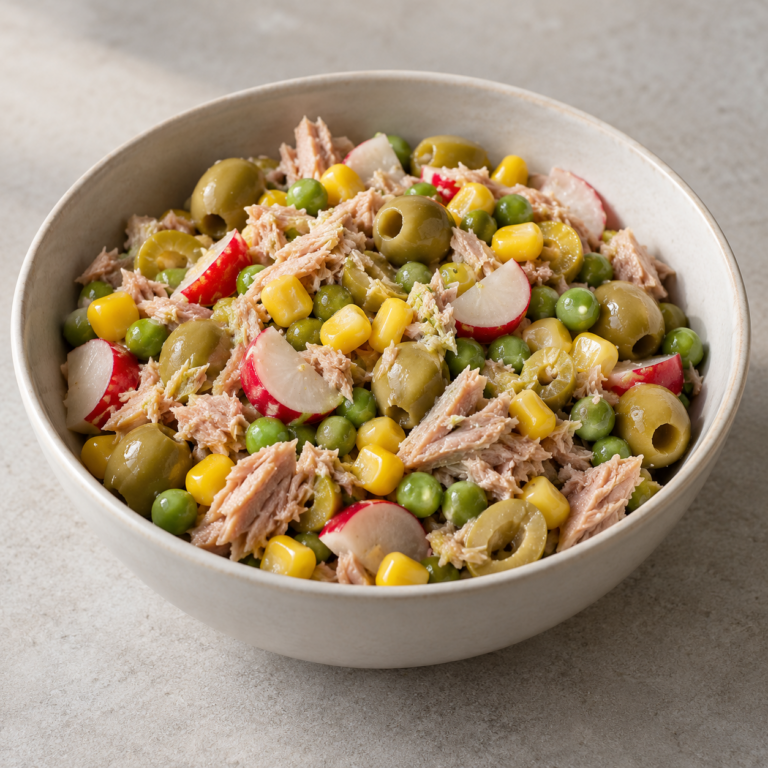
Tuna with peas, sweetcorn and radish
Drained tuna, sweetcorn, peas and stoned olives make a salad with radish. After mixing, add separately weighed linseed oil.
View recipe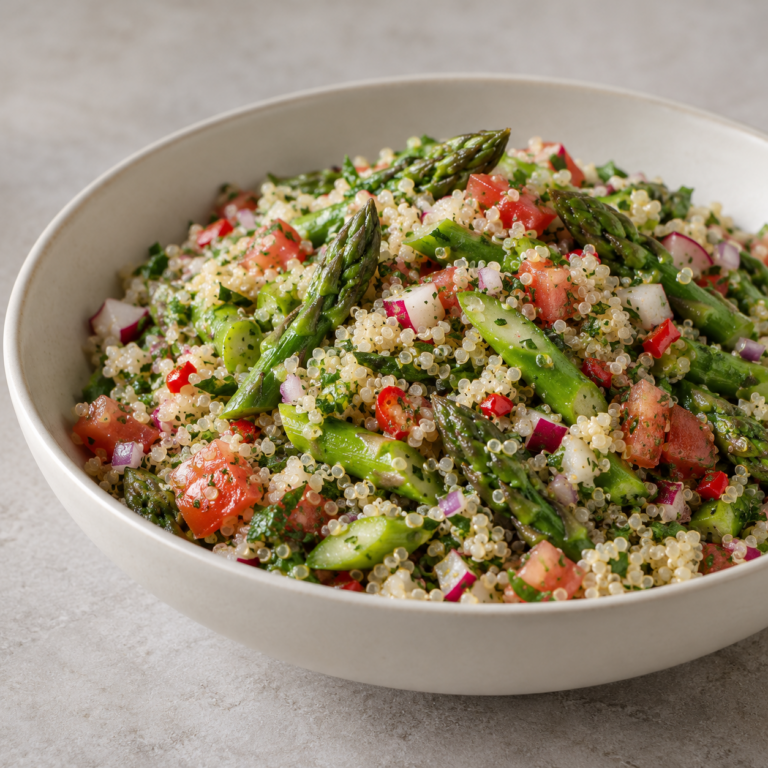
Quinoa with asparagus, radish and herb dressing
Quinoa weighed dry combines after cooking and cooling with asparagus, radish and tomato. A dressing of measured olive oil, lemon and fresh herbs coats everything.
View recipe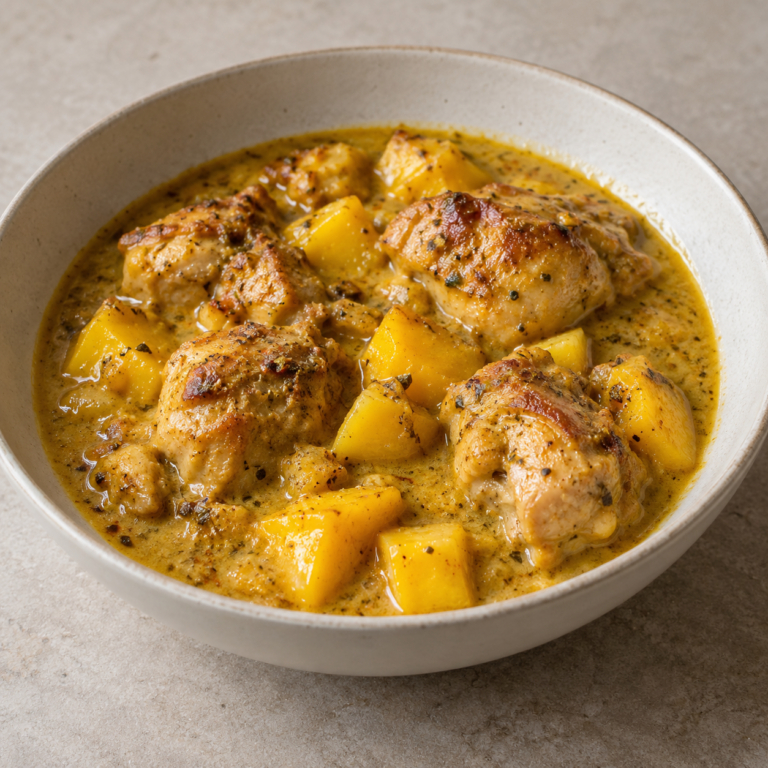
Chicken thigh pieces with mango and coconut milk
Prepare weighed boneless skinless thigh meat with mango, coconut milk and seasonings. Oil is measured separately and the chicken is fully cooked.
View recipe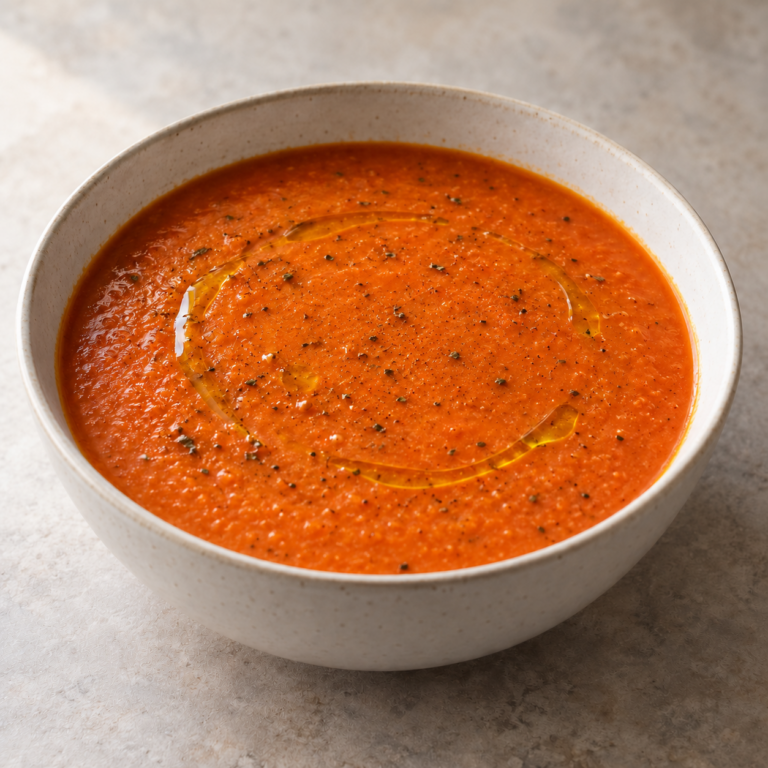
Blended creamy tomato soup with vegetables and olive oil
Onion, grated carrot and celery fried in olive oil form the start. Peeled tomatoes, black pepper and dried basil join later during cooking.
View recipe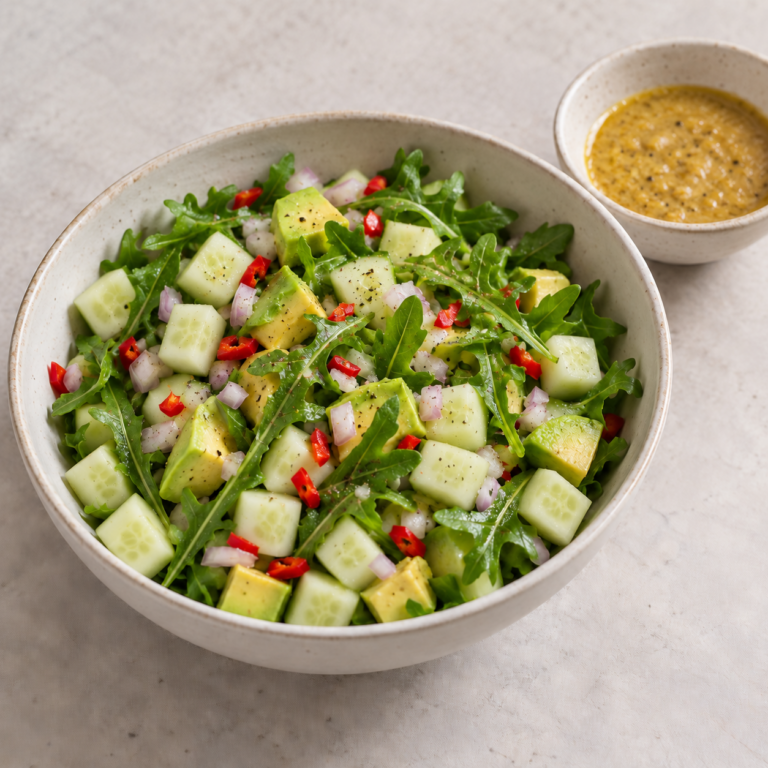
Cucumber and avocado with rocket and mustard sauce
Chopped cucumber and avocado combine with chilli, shallot and rocket. A sauce of mustard, garlic and ginger is made in a separate small bowl.
View recipeImages generated for MyTrela show serving suggestions. The recipes have not been kitchen tested; nutritional values and total preparation times have not been verified.
Sources and further reading
Prepared by MyTrela with AI assistance. The source links identify materials used in preparing this content.


