In the kitchen with MyTrela
Blended soups: cooking order, blending and texture
A smooth soup starts with properly prepared, softened ingredients. Read the amount of liquid, blending method and timing of finishing ingredients from the specific recipe.
Make a plan before putting on the saucepan
With blended soup, it is easy to focus on the blender even though most decisions come earlier. Read the ingredients and every step: which vegetables are fried, which are roasted, when liquid is added and what goes into the finished mixture. Coconut milk, olive oil and herbs do not have the same role in every soup. Preparing them in separate containers reduces mistakes at the end of cooking.
Measure liquid according to the list. Water, vegetable stock and prepared meat broth are not one category of “something to cover the vegetables”. Their flavours differ and they may contribute seasonings. If the recipe specifies weight in grams, keep that measuring method. Do not assume that doubling the ingredients will preserve identical evaporation in the same saucepan: the fill level and liquid surface change.
Choose a saucepan that holds the whole recipe with room for stirring. A vessel that is too small makes using a spoon and blender head safely more difficult. Before starting, also check where you will put the used attachment after switching off and how you will transfer the finished soup into bowls. This preparation helps avoid moving a full, hot saucepan simply because there is no free worktop beside the hob.
Match piece size to the vegetable
Soft broccoli florets and a firm stalk do not need identically sized pieces. In smooth broccoli soup, the stalk is cut more finely after removing tough parts. This helps both portions soften in one saucepan. In tomato soup, carrot and celery are grated before the tomatoes join them. Cutting size is part of the method, not merely a matter of appearance.
Peel and remove seeds where the recipe specifies it. Courgette soup with coconut and lemon calls for removing seeds and cutting the remaining part into small cubes. Roasted pepper soup uses the edible vegetable portion without seed cores. Weigh the product at the stage stated in the notes. The weight of a whole untrimmed pepper does not replace the weight of the portion actually used in the soup.
Keep the cooking order
Frying, braising and cooking in liquid are different stages. If you first soften onion in weighed fat, do not immediately cover the entire ingredients list with water. Stir so ingredients do not remain stuck in one place, and adjust heat to the progress of cooking. Heavily burnt brown pieces will not lose their flavour simply because you use a blender later.
In blended tomato soup, onion, carrot and celery are prepared first, then water is added, and peeled tomatoes join at the next stage. For peppers, preparation begins in the oven: only roasted vegetables are combined with broth and additions. Do not automatically transfer one method to every blended soup. If the recipe uses a lid, follow the instructions, since an uncovered saucepan may lose liquid differently.
Check softness before starting the blade
A blender breaks ingredients down but does not replace cooking. Before blending, take out a piece of the firmest vegetable and check it with a fork. In broccoli soup, assess both a floret and a section of stalk; in a root-vegetable mixture, choose a larger piece rather than checking only soft onion. If the centre still offers clear resistance, return to the cooking stage provided in the recipe.
Do not compare the doneness of two saucepans solely by the clock. Piece size, vegetable type and hob power affect progress. Read recipe timing guidance alongside the description of the intended result. This avoids trying to achieve smoothness by blending undercooked ingredients for longer and longer, or adding liquid just because hard pieces remain.
Choose equipment suitable for hot liquid
Before working, check the instructions for your specific appliance and attachment. A sealed smoothie cup does not become a soup blender when its blade is screwed on. Nutribullet prohibits blending hot and warm ingredients in its sealed cups: rising pressure can cause serious injury. Do not try to solve this by shortening the cycle or holding the container with your hand.
A large jug also requires checking the permitted temperature, fill level and lid use. Philips describes a liquid-temperature limit for the specified blenders; one manufacturer’s guidance is not universal permission for other models. If the instructions require cooling, allow for it before pouring. Do not independently cover openings intended for ventilation.
With a hand blender, remove the saucepan from the heating zone and position it securely. Immerse the head before switching on, keep the working part in the mixture and stop the blade before removing it. This order, and moving the saucepan away from the heat source, are described in the KitchenAid hand-blender instructions. Keep within the permitted immersion depth; the motor body must not go into the soup. Do not direct splashes towards your face or hands.
Assess texture after mixing everything
After the first blending, stop the appliance and stir the soup with a spoon. Check whether pieces remain at the sides or bottom where the attachment did not reach. Assess thickness only after making the whole mixture even. If liquid has separated on top, a sample taken only from the surface may give the misleading impression that the entire soup is very thin.
| Symptom | What to check |
|---|---|
| Hard particles | Vegetable softness and overlooked stalk or skin pieces. |
| Uneven mixture | Whether the blender reached all the contents and the soup was stirred. |
| Not fluid enough | Whether all the liquid and finishing addition in the recipe were used. |
| Soup too thin | Whether the liquid was weighed correctly and not added twice. |
You can refine your own new recipe gradually, recording quantity changes. When following a particular recipe, do not add water automatically. The broccoli soup calls for using all the coconut milk and heating without further additions of liquid. This detail matters more than general advice to dilute every thick soup.
Finish each soup according to its own method
- Courgette soup: coconut milk, lemon and zest are added after blending the softened courgette with stock.
- Tomato soup: some olive oil is used to prepare the onion, and the rest is drizzled over the finished soup.
- Roasted pepper soup: coconut milk is mixed with the blended base, then the whole mixture is heated according to the recipe.
- Broccoli soup: chives go in at the end, after blending and adding coconut milk.
Before serving, stir and taste with a teaspoon, allowing the sample to cool. Do not assess the flavour of scalding liquid straight from the saucepan. When making a larger quantity for later, follow the related meal-storage guide. Cooling and storage conditions are a separate stage that blending the soup again cannot replace.
Recipes on MyTrela
Number of recipes: 4
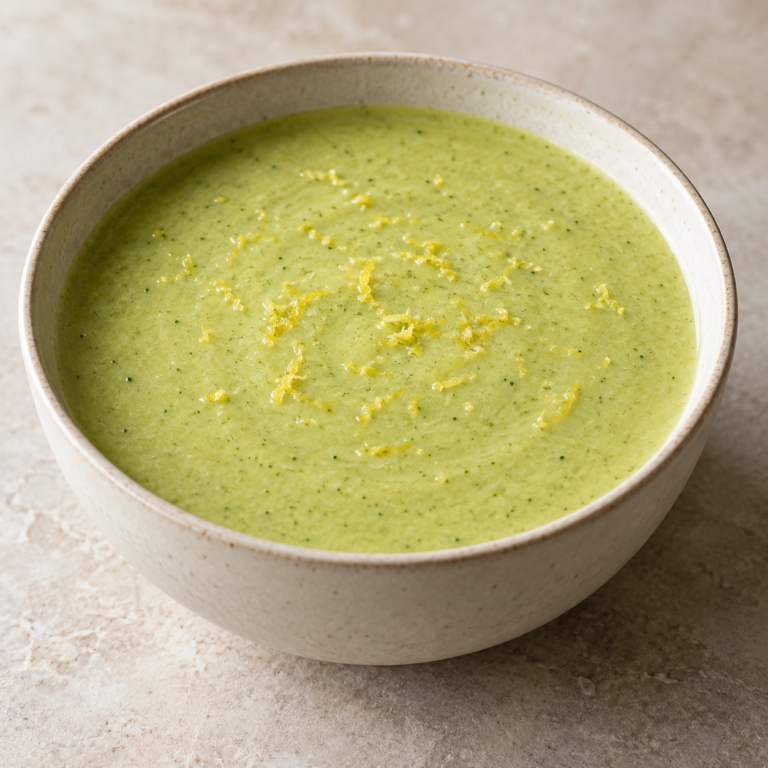
Creamy courgette soup with coconut and lemon
Courgette fried in coconut oil is cooked in stock and blended. Light coconut milk 6%, lemon juice and zest give the soup its finishing character.
View recipe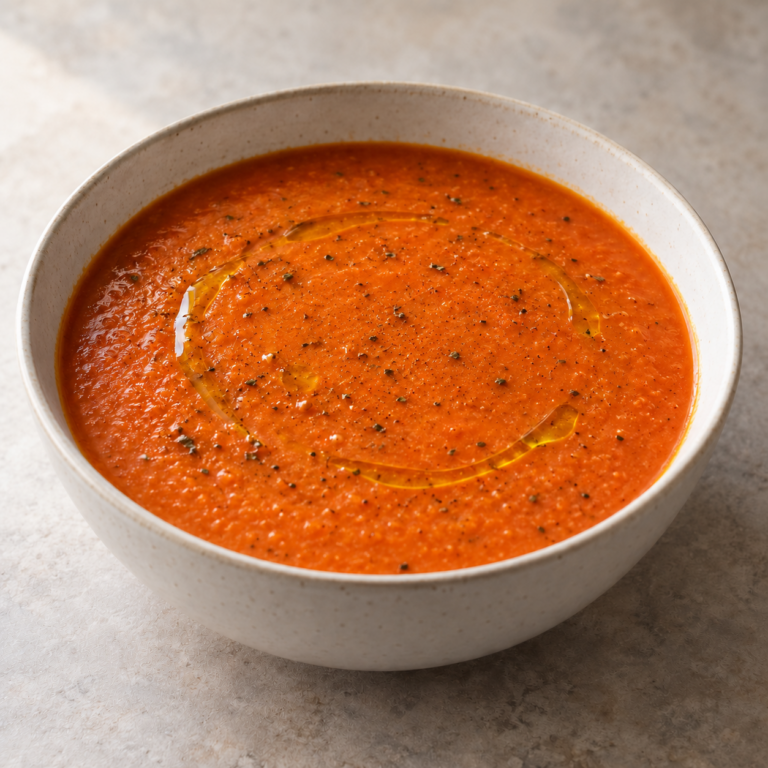
Blended creamy tomato soup with vegetables and olive oil
Onion, grated carrot and celery fried in olive oil form the start. Peeled tomatoes, black pepper and dried basil join later during cooking.
View recipe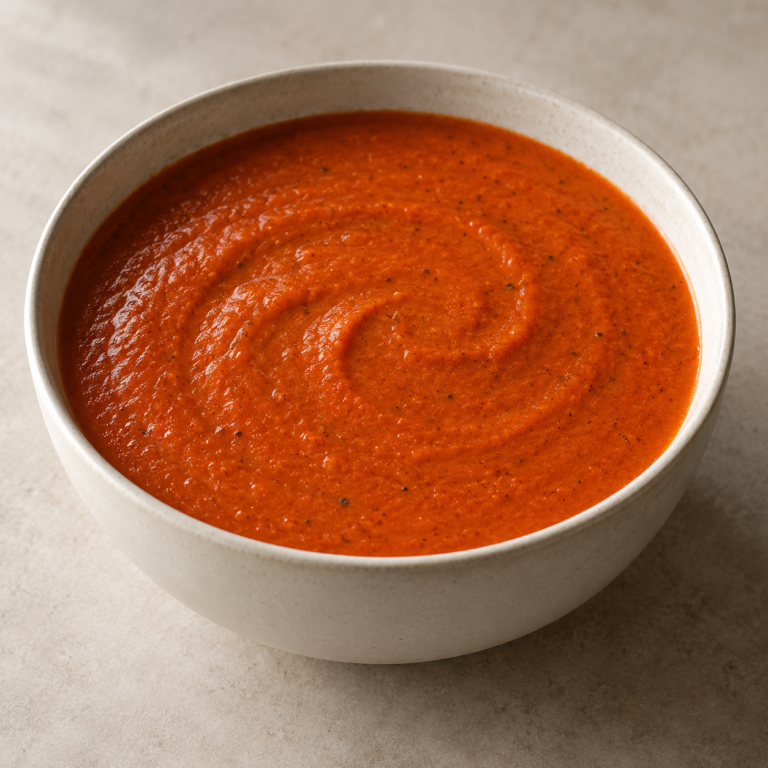
Roast pepper soup with rosemary and coconut milk
Combine roasted pepper and onion with weighed broth, drained sun-dried tomatoes and coconut milk. Rosemary and seasonings flavour the blended creamy soup.
View recipe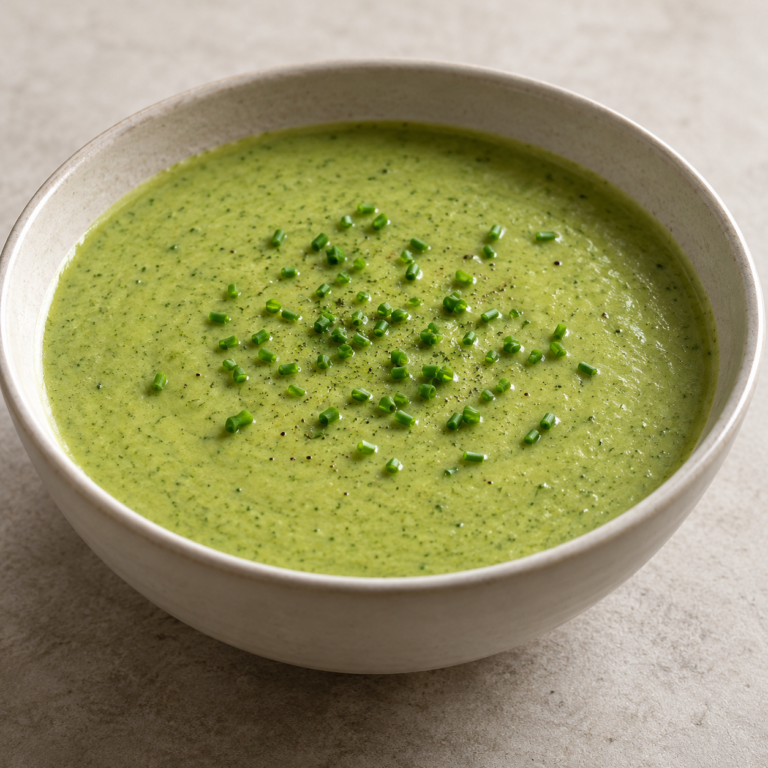
Smooth broccoli soup with coconut milk and chives
Broccoli and onion soften in weighed water, then combine with coconut milk after blending. Chives are added when serving.
View recipeImages generated for MyTrela show serving suggestions. The recipes have not been kitchen tested; nutritional values and total preparation times have not been verified.
Sources and further reading
Prepared by MyTrela with AI assistance. The source links identify materials used in preparing this content.


